
An aneurysm is a localized bulge that can occur in many parts of the body, but is most common in the brain and large arteries, where the vessel wall weakens and widens. Aneurysms can be dangerous because they can lead to life-threatening internal bleeding when the weakened vessel wall ruptures (rupture).
Types of Aneurysms
Brain Aneurysms They occur in the arteries in the brain and are one of the riskiest types. When ruptured, they can cause stroke, death and other serious complications.
Abdominal Aorta Aneurysms (AAA): Occur in the abdomen in the aorta, the body's main artery. This type of aneurysm can also rupture and cause serious internal bleeding.
Thoracic Aorta Aneurysms: They occur in the aorta in the chest.
Peripheral Aneurysms: Can occur in other parts of the body, such as the hands, feet and kidneys.
Etiology Causes of Aneurysm
Genetic Predisposition: Family history, genetic disorders and certain syndromes (e.g. Marfan, Ehlers-Danlos) may increase the risk of aneurysms.
Diseases: Non-communicable diseases (hypertension, atherosclerosis) and infectious diseases (such as syphilis or tuberculosis).
Mechanical Trauma After serious injuries or surgical interventions.
Diagnosis and Symptoms
Aneurysms are usually silent and are often discovered by chance during tests for other medical conditions. However, in some cases, the aneurysm can press on neighboring tissues or nerves, causing symptoms.
Brain: Headache, seizures, speech or vision problems.
Abdomen Abdominal pain, back pain or sensation of a pulsating mass.
Thoracic Chest pain, back pain or difficulty swallowing.
Treatment Options
Conservative Treatment: Close monitoring and medical treatment (such as controlling hypertension) for small, slow-growing aneurysms.
Surgery: The aneurysm can be removed and the affected section replaced with a graft.
Endovascular Treatment: It is treated by placing a stent or coil inside the aneurysm.
Prevention and Lifestyle Changes
Adopting healthy lifestyle habits can help reduce the risk of aneurysms:
Quit smoking
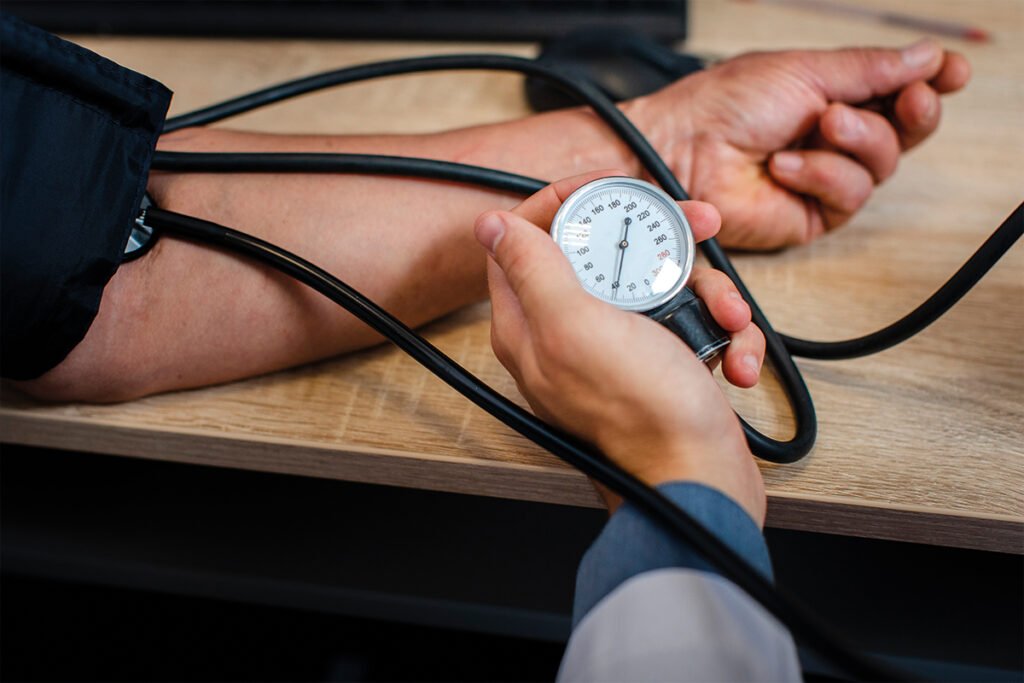
Keeping high blood pressure under control
Regular exercise
Maintaining a balanced diet
Aneurysms are medical conditions that usually progress silently but can have serious consequences when they rupture. Recognizing risk factors, regular medical check-ups and adopting healthy lifestyle habits are critical to preventing this potential threat.