
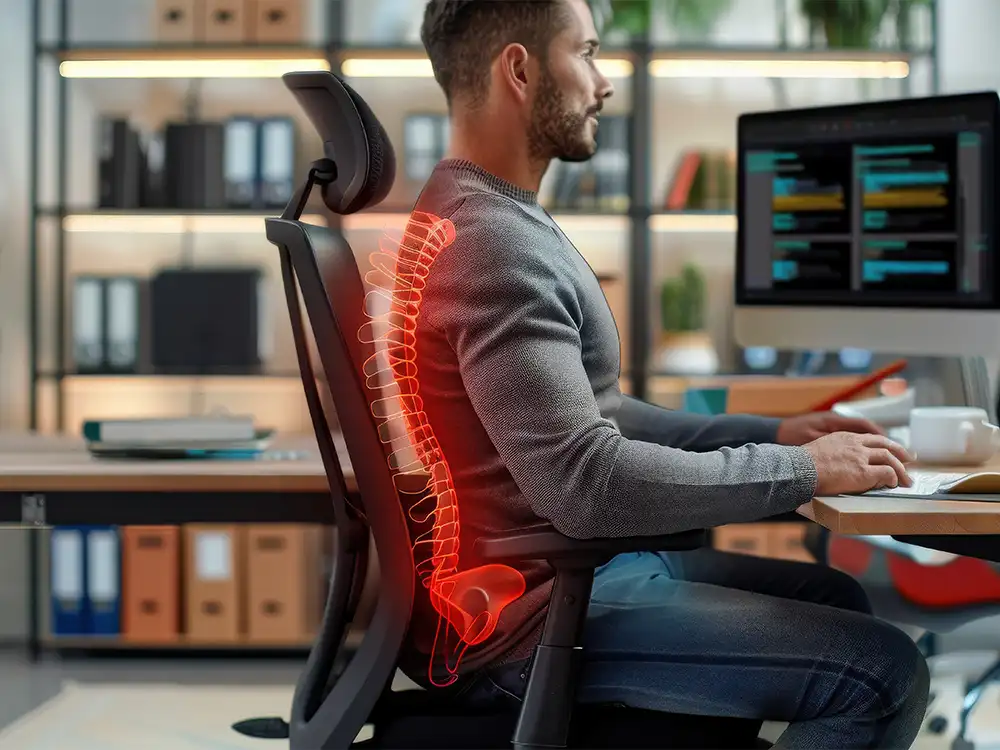
Ergonomic risk assessment at work, is of great importance for both employee comfort and productivity. Ergonomics, is a science that aims to create working conditions suitable for the physiological and psychological characteristics of employees. This approach plays a critical role not only in terms of individual health but also in the prevention of occupational accidents and occupational diseases.
Factors such as repetitive movements, poor posture positions, inappropriate desk and chair use in the working environment lead to musculoskeletal disorders over time. These disorders both reduce the quality of life of the individual and negatively affect productivity and employee satisfaction in businesses.
SÜRMEN OSGB, with its expertise in ergonomics, offers customized solutions for organizations, ensuring that employees work in a healthy and sustainable environment. Ergonomic risk assessment at work, It should be seen not only as a necessity, but also as a long-term investment.
Istanbul OSGB If you are in search of companies, you can contact Sürmen OSGB immediately. Communicationswitch to.

What are Ergonomic Risks?
Ergonomic risk assessment at work, In order to identify the source of potential health problems, it must first be clear which risks are considered ergonomic. Many movements or positions in the work environment can cause serious health problems over time.
1. Repetitive Movements
Repetitive use of the same muscle group, for example in packaging, assembly or data entry, leads to muscle and joint wear. Over time, this repetition can lead to conditions such as tendonitis and carpal tunnel syndrome.
2. Improper Postures
Back, neck and lumbar pain is common in employees who work for long periods of time while bending, squatting or standing. Chair height, desk tilt and monitor placement are critical factors in this regard.
3. Heavy Lifting and Strain
Working with high weights or carrying unbalanced loads can lead to herniated discs and muscle tears. Sudden movements also have a negative impact on spinal health.
4. Static Postures (Staying in a Fixed Position)
Prolonged sitting or standing creates circulatory system problems and muscle fatigue. This directly affects employee performance.
5. Visual and Mental Strain
Working in front of a screen for long periods of time causes eye strain, headaches and loss of concentration. It can also increase workers' stress levels, leading to psychological strain.
All of these risks directly affect the daily lives of workers, while at the same time paving the way for occupational accidents and production losses. SÜRMEN OSGB, by addressing all these factors in a systematic way ergonomic risk assessment at work manages the process from a professional perspective.
Effects of Ergonomic Risks on Employee Health
Ergonomic risk assessment at work, Ergonomics not only analyzes the physical conditions of the working environment, but also seeks to anticipate the effects of these conditions on employee health and take precautions. Ergonomic risks can develop into serious health problems over time and impair both the physical and mental well-being of workers.
Musculoskeletal Disorders
Improper sitting, standing or lifting positions can cause chronic pain in the neck, lower back, shoulders and knees. These conditions lead to loss of workforce and increased absenteeism.
Wrist and Elbow Problems
Problems such as carpal tunnel syndrome, tenosynovitis and elbow tendonitis are common in workers who perform repetitive tasks. Such conditions may require surgical intervention when they progress.
Eye Fatigue and Headaches
Complaints such as dry eyes, headaches and difficulty focusing are common in workers who are exposed to computer screens for long periods of time. Especially in office environments, this can seriously reduce work productivity.
Psychological Effects and Stress
Ergonomic problems can affect workers not only physically but also mentally. Constant pain and discomfort make it difficult to focus and reduce job satisfaction. This in turn negatively affects employee motivation and overall psychological well-being.
Long-term Occupational Disease Risk
When ergonomic deficiencies become persistent, occupational diseases may be inevitable. This increases not only employee health but also the employer's legal and financial liabilities.
SÜRMEN OSGB, evaluates the effects of ergonomic risks on health from an expert perspective and develops proactive solutions. In order to establish a healthy working environment ergonomic risk assessment at work, is both a preventive and curative step.

Ergonomic Risk Assessment Process in the Workplace
Ergonomic risk assessment at work, is an important process that should be carried out with a systematic approach. The aim is to identify physical, visual and mental risks that may adversely affect the health of employees and to produce solutions to minimize these risks.
1. Observation and Employee Interviews
The process starts with observations in the field and one-to-one interviews with employees. The work performed by the employees, the equipment used and the daily working order are analyzed in detail. Complaints, signs of discomfort and employee feedback are taken into account.
2. Work Environment and Equipment Analysis
Physical elements such as desk, chair, monitor, lighting, tool and equipment positions are evaluated one by one. Details such as screen height, sitting position, inclination of the work surface are critical in terms of ergonomics.
3. Risk Classification and Scoring
Using internationally recognized ergonomics analysis methods (e.g. REBA, RULA, NIOSH, etc.), positions are scored according to risk level. Thus, it is clearly determined which employee or position requires prioritized intervention.
4. Reporting and Corrective Action Plan
A detailed report is prepared in line with the data obtained. This report includes existing risks, risk levels and recommended improvement steps. Planning is tailored to the employer.
5. Monitoring and Feedback
The effect of the applied ergonomic arrangements is monitored. If necessary, re-evaluation is carried out at regular intervals. Thus, the sustainability of ergonomic measures is ensured.
SÜRMEN OSGB, carries out this entire process with its expert ergonomics staff. It presents the results of the evaluation with visual reports and supports the establishment of a healthier and safer working environment in the workplace with its solution-oriented approach.
Ergonomic risk assessment at work, is not just an analysis; it is a sustainable management approach that puts employee health at the center.
SÜRMEN OSGB's Ergonomics Approach
SÜRMEN OSGB, ergonomics is not limited to table and chair adjustment; it is a holistic perspective. ergonomic risk assessment at work process. The goal is to protect the long-term health of workers, increase productivity and minimize the losses of enterprises due to occupational disease.
On-site Ergonomics Analysis with Expert Staff
SÜRMEN OSGB, conducts detailed examinations with expert ergonomics consultants in the field. Employee positions are evaluated and risky points are identified by using analysis methods specific to each line of business.
Visual Reporting and Practical Solutions
Simple and understandable reports are prepared by combining the visuals taken during the evaluation process and the results of the analysis. Specific improvement suggestions are developed for each position: practical solutions such as table-chair arrangement, equipment replacement, height adjustment.
Training and Awareness Seminars
Regular trainings are provided to increase employees' ergonomic awareness. Information is provided on issues such as correct sitting, lifting and screen use. In this way, ergonomic behaviors are turned into daily habits.
Technology Supported Monitoring and Measurement
In some sectors, technologically supported ergonomics solutions are offered. For example, ergonomics tracking is made sustainable with advanced applications such as screen time tracking, posture analysis or posture tracking with wearable sensors.
SÜRMEN OSGB, ergonomic risk assessment at work service not only as a legal obligation, but also as one of the cornerstones of corporate sustainability. With this understanding, it produces applicable and result-oriented solutions specific to the needs of each organization.
Recommendations for Reducing Ergonomic Risks
Ergonomic risk assessment at work Reducing the risks identified afterwards is a critical step in terms of both protecting employee health and increasing work efficiency. With small adjustments and the right habits, ergonomic risks can be largely prevented.
1. Ensuring the correct working position
- For office workers, the monitor should be at eye level
- The chair should be adjusted to support the back and lower back
- Foot resting platforms or soft floor mats should be used for standing workers
2. Selection of Appropriate Equipment
- Tables and armchairs with adjustable height should be preferred
- Hand tools should have ergonomic design
- Lighting should be organized to reduce eye strain
3. Mobility and Micro Breaks
- Take breaks at regular intervals to avoid staying in the same position for a long time
- Short stretches or movements should be recommended every 30-45 minutes
- Eye exercises should be recommended especially for those working in front of a screen
4. Load Lifting and Transportation Techniques
- Carry weights close to the body, avoid sudden turning movements
- Instead of bending down, squatting with support from the knees should be preferred
- Instead of carrying high loads at once, transportation should be divided
5. Ergonomics Education and Behavior Development
- All employees should receive basic training on ergonomics
- Observe bad habits and give corrective feedback
- Constant reminders should be provided with awareness posters and visuals
SÜRMEN OSGB, guides employers on the applicability of these recommendations to the field. Prepared by ergonomic risk assessment at work In accordance with the reports, it creates internal improvement plans and ensures the follow-up of the process.
Ergonomics is an Investment, Not Neglect
Ergonomic risk assessment at work, Ergonomics is not only a legal obligation; it is also a strategic investment in employee health, productivity and corporate reputation. Today, businesses that attach importance to ergonomics both reduce occupational accidents and contribute positively to performance by increasing employee satisfaction.
Early detection and prevention of ergonomic risks helps to prevent occupational diseases in the long term. This reduces the loss of workforce and minimizes health-related financial burdens. Therefore, ergonomics is an indispensable element of a preventive, protective and sustainable OHS approach.
SÜRMEN OSGB, offers customized solutions for organizations with professional services that measure, analyze and improve ergonomics in workplaces.
Ergonomic risk assessment at work service aims to both protect employee health and support the long-term success of businesses.
It should not be forgotten: Ergonomics cannot be neglected; a small adjustment can prevent a big problem.