
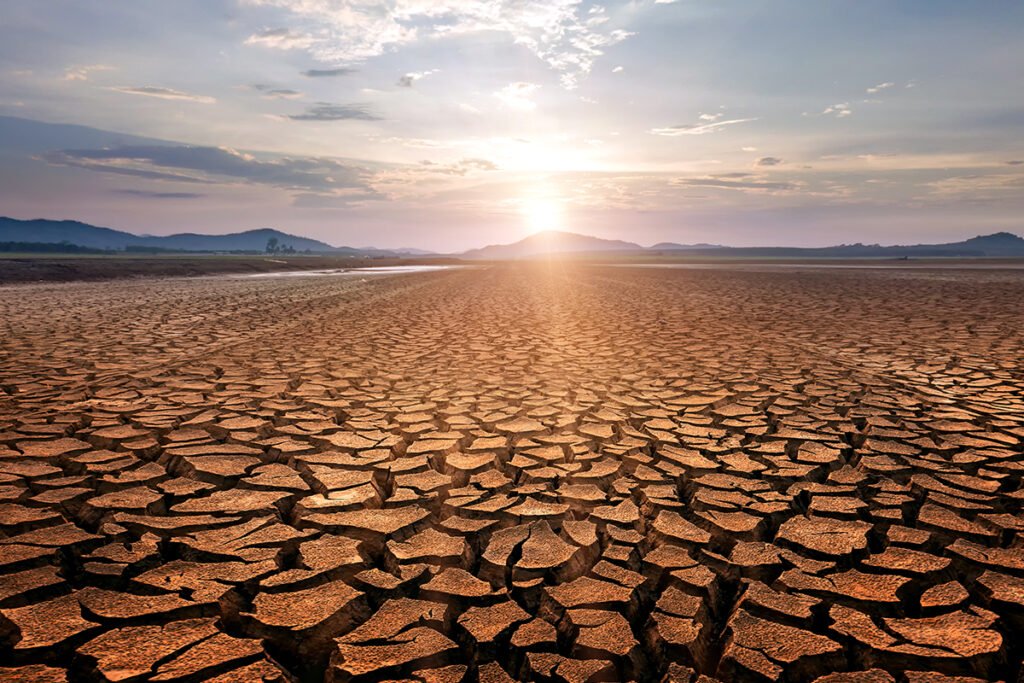
Since the beginning of the industrial age, the Earth's climate has been in a state of constant change. However, the last few centuries have seen an unprecedented acceleration in this change. This phenomenon is known as global warming and has now become a driver of a larger problem known as climate change. This article examines the concepts of global warming and climate change, the science behind these phenomena, their impacts and potential solutions.
Understanding Global Warming
Global warming refers to a long-term increase in the Earth's average temperature. Since the late 19th century, human activities, especially the burning of fossil fuels such as coal, oil and gas, have rapidly increased the concentration of greenhouse gases in the Earth's atmosphere. These gases, carbon dioxide (CO2), methane (CH4) and nitrous oxide (N2O), trap sunlight and raise the planet's temperature, a phenomenon called the greenhouse effect.
Scientific evidence strongly supports that the Earth has experienced a temperature increase of about 1.2°C relative to past pre-industrial levels, and that this is largely due to human activities. While this may seem like a small increase, it could have significant impacts on Earth's climate system.
Climate Change: Beyond Warming
Climate change, often confused with global warming, covers a broader set of changes. It refers to significant changes in global temperatures and weather patterns over time. While global warming can raise the Earth's average temperature, climate change also includes other impacts such as shifts in precipitation patterns, increased droughts, more frequent and severe heat waves, melting of glaciers and ice caps, and sea level rise.
This does not mean that every region will not become warmer. Increased energy in our climate system could lead some regions to experience more extreme weather events, such as storms, heavy snowfall and cold waves. This unpredictability and associated risks make climate change a more comprehensive and complex problem than global warming.
Global Warming and the Effects of Climate Change
The consequences of global warming and climate change affect both natural ecosystems and human societies.
In nature, changing climates affect wildlife and their habitats. Many species have experienced shifts in their ranges or changes in their populations. Coral reefs of spectacular biodiversity suffer from warmer and more acidic oceans due to higher CO2 levels, a phenomenon called ocean acidification. Melting ice threatens polar species, for example the polar bear and the Adélie penguin.
Human societies are also deeply affected. Rising sea levels threaten coastal communities and islands, and rising temperatures and drought threaten food security by reducing crop yields. Extreme weather events can lead to loss of life and property and economic instability.
Strengthening Individual and Institutional Action against Climate Change
Climate change is a global challenge that requires coordinated and holistic solutions. While government policies and international agreements play a key role, they are not the only actors in this fight. Both individuals and companies can and should take concrete steps to mitigate the impacts of climate change. Here's how:
Individual Action
Reduce, Reuse, Recycle: Minimizing waste can reduce greenhouse gas emissions associated with the extraction, production and disposal of products. Recycling and composting are excellent habits that reduce the amount of waste sent to landfills.
Energy Efficiency: Switch to energy efficient appliances and light bulbs, insulate your home properly, use less air conditioning and heating, and consider solar panels. Each of these actions helps reduce your carbon footprint.
Sustainable Transportation: Walking, cycling, carpooling or using public transportation can reduce the amount of CO2 released into the atmosphere. If you are planning to buy a car, consider an electric or hybrid model.
Conscious Eating: A significant portion of global greenhouse gas emissions comes from food production and transportation. Local, seasonal and organic food choices reduce this impact. In addition, a reduced diet, especially red meat, can significantly reduce your carbon footprint.
Planting Trees: Trees absorb CO2 and give off oxygen. Planting trees, whether in your own backyard or through an organization you trust, can be an excellent way to offset your carbon emissions.
Spread Awareness: Talk about climate change with friends, family and on social media. The more people understand the issue, the greater the pressure on governments and companies to take action.
Corporate Action
Transition to Green Energy: Businesses should transition to renewable energy sources for their operations. Many energy companies offer green energy options and installing solar panels can be a cost-effective solution.
Carbon Offsetting: Companies can offset carbon emissions by investing in projects that reduce greenhouse gases. These can include reforestation initiatives or renewable energy installations.
Sustainable Supply Chains: Businesses can reduce their environmental impact by sourcing materials and services sustainably, taking into account factors such as transportation and the environmental practices of their suppliers.
Energy Efficiency: Implementing energy efficient practices in offices and production facilities can significantly reduce emissions. This can range from efficient lighting and insulation to energy-efficient industrial machinery.
Employee Engagement: Businesses should educate their employees about climate change and involve them in sustainability initiatives. This can foster a culture of environmental responsibility.
Sustainable Business Models: Companies should look at ways to incorporate sustainability into their business models. This could include designing products that last longer, are easily recyclable or use fewer resources to produce.
Both individual and corporate actions are critical to tackling climate change. They offer a two-pronged approach: individual actions can gradually reduce emissions and promote a culture of sustainability, while corporate actions can lead to significant emission reductions on a larger scale. By integrating climate-friendly practices into our daily lives and business operations, we can contribute to a more sustainable and resilient future.