
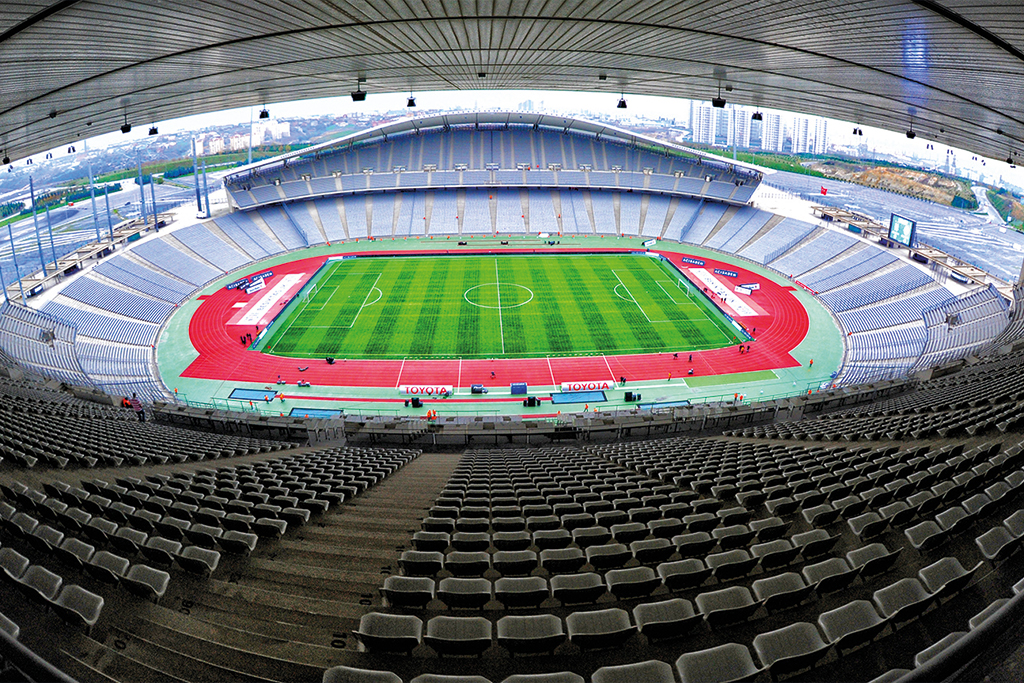
Football fields and stadiums are areas where athletes perform, thousands of spectators come together and hundreds of employees work. In this respect, stadiums have a complex structure in terms of occupational health and safety (OHS). A comprehensive OHS management system is mandatory for the safety of both employees, athletes and spectators. The smallest neglected vulnerability can lead to large-scale accidents or social incidents.
Legal Framework
In Turkey, the Occupational Health and Safety Law No. 6331 places the responsibility on employers to ensure the safety of all employees of stadium organizations. In addition, the instructions of international organizations such as FIFA and UEFA require that health and safety in sports organizations be kept at the highest level. In addition to legal requirements, regular risk assessments and the preparation of emergency plans are essential elements of stadium safety.
Risks for Athletes
Athletes are exposed to various health risks due to intense physical activity on the field. Musculoskeletal injuries, falls, collisions or accidents caused by the field surface are among the most common hazards. Climatic factors such as extreme heat, cold or humidity also threaten athlete health. Regular maintenance of the pitch surface, the constant presence of medical teams and the availability of the necessary equipment are essential for the protection of athlete health.
Risks for Employees
Security, cleaning, catering, ticketing and technical personnel working in stadiums face many different dangers. Electrical installations, sound and lighting systems, assembly work at high points are risks that can lead to serious work accidents. There is also the possibility of staff being exposed to violence during crowd management. The use of personal protective equipment, regular trainings and a balanced distribution of workload in shift planning are critical for employee safety.
Risks for Spectators
Spectators are the most crowded and dynamic elements of stadiums. The risk of stampede is high in areas where thousands of people enter and exit at the same time. The evacuation process is vital in cases of fire, explosion or panic. In addition, the risk of fights and injuries due to alcohol use should not be ignored. For this reason, stadiums should be equipped with security cameras, directional signs, emergency exit doors and trained security personnel.
Infrastructure and Architectural Security
Occupational health and safety criteria should be at the forefront of stadium design. Tribunes should have non-slip surfaces, solid barriers and emergency exits should be marked. Disabled access, safe stairs and evacuation corridors should not be neglected. Regular testing of fire detection and extinguishing systems is a critical safety practice.
Emergency and Crisis Management
Detailed crisis plans are essential for any fire, explosion, stampede or health emergency in stadiums. Emergency scenarios tested through drills can save the lives of both workers and spectators in a crisis. First aid rooms, ambulances and automatic defibrillator devices (AEDs) should be part of stadium standards.
Education and Awareness
Employees should receive regular training on fire, first aid, evacuation and safety. Injury prevention and health trainings should be provided for athletes. Spectators should be informed through announcement systems, screens and directional signage. Education and awareness is the most effective method to spread safety culture.
Technological Solutions
In modern stadiums, security is supported by technology. Smart camera systems allow crowd monitoring, and biometric access systems control entrances. Fire, gas leakage and smoke sensors warn of potential risks in advance. In addition, instant notification to the audience with mobile applications provides great convenience in evacuation processes.

Occupational health and safety in football fields and stadiums is an issue that directly concerns the lives of not only employees and athletes, but also thousands of spectators. From infrastructure to organization, from technology to training, safety must be prioritized at every step. A well-designed OHS system not only prevents potential accidents, but also strengthens the environment of trust and peace in society.
As Sürmen OSGB, we guide employers on occupational health and safety in stadiums and sports fields, and offer solutions that both comply with legal requirements and create a sustainable safety culture. In this context On Saturday, June 10, 2023, we provided occupational health and safety services at the UEFA Champions League Final between Manchester City and Inter at Atatürk Olympic Stadium in Istanbul. We have also been providing OHS services to Kasımpaşa Sports Club regularly for 10 years.