
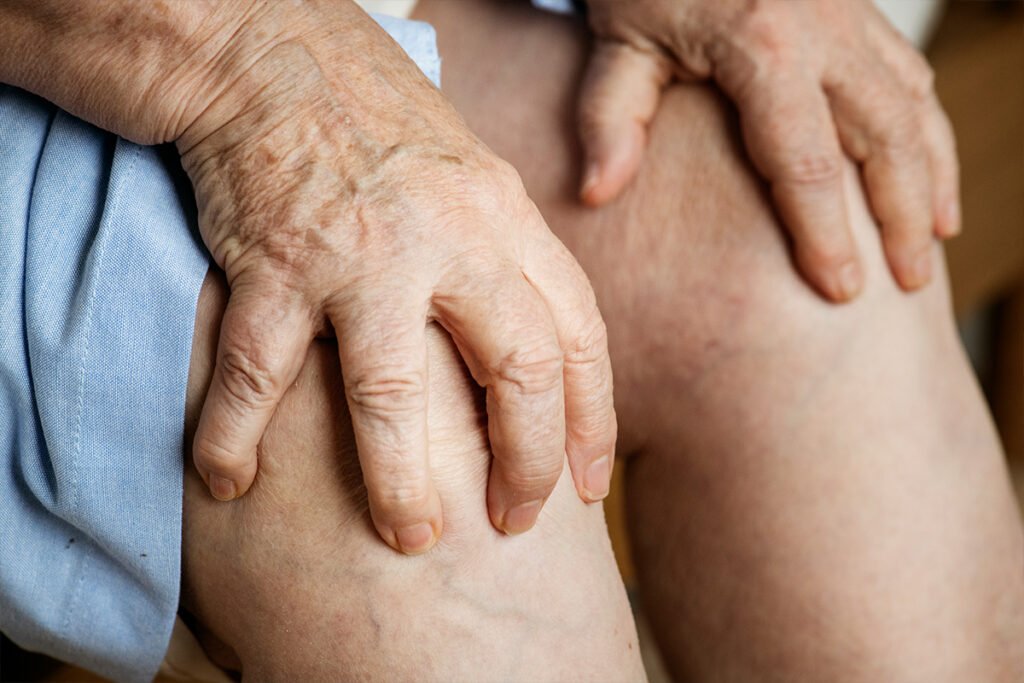
Edema is a condition in which an abnormal amount of fluid accumulates in various parts of the body. Below you will find detailed information about the causes, types and treatment approaches for edema.
Types of Edema
Edema usually occurs in the lower extremities (legs), face and hands, but can occur anywhere in the body. Edema is divided into two main types: peripheral edema and pulmonary edema.
- Peripheral Edema: It is usually seen in the hands and feet. Peripheral edema is often due to factors such as inactivity, aging or pregnancy.
- Pulmonary Edema: It is caused by fluid accumulation in the lungs and can cause breathing difficulties. This type of edema is usually caused by heart failure.
Mechanisms of Edema Formation
Edema usually occurs due to the following factors:
- Increased hydrostatic pressure: Venous congestion or heart failure can cause an increase in blood pressure, which can cause fluid to leak into the tissues.
- Decreased oncotic pressure: Protein deficiency (e.g. in the case of protein-losing nephropathy or malnutrition) can reduce plasma oncotic pressure, which can lead to leakage of fluid into tissues.
- Increased vascular permeability: Inflammation or allergic reactions can cause increased vascular permeability.
- Lifnotic obstruction: Blockage of the lymphatic system (for example, due to a tumor) can block fluid drainage.
Treatment Approaches of Edema
Treatment of edema is usually aimed at addressing the underlying cause. Treatment approaches include:
- Lifestyle Changes: Lifestyle changes such as a low-salt diet, regular exercise and lifting to height (for example, lifting the legs above heart level) can relieve the symptoms of edema.
- Medicines (more): Diuretic medicines (diuretics) can help the body to remove excess fluid. However, if there is an underlying condition (for example, heart failure or kidney disease), treatment of that condition is also necessary.
- Disease Specific Treatments: If edema occurs as a result of a particular condition, treatment of that condition may relieve the symptoms of edema. For example, in people with heart failure or kidney disease, managing these conditions can control edema.
- Compression Stockings and Tapes: Compression stockings or bands can help control edema, especially in the legs. These products encourage the movement of blood and lymphatic fluid from the legs towards the heart.
- Massage and Physical Therapy: In the case of lymphedema (accumulation of lymphatic fluid), massage and specific physical therapy techniques can promote lymphatic drainage and reduce edema.
Treatment of edema is individually tailored depending on the severity of the symptoms and the underlying condition. If you are experiencing symptoms of edema, it is important to talk to a health professional.
As edema is often a symptom of an underlying condition, early diagnosis and treatment can reduce the risk of complications. Furthermore, treating edema is important to improve quality of life because edema can restrict movement and cause pain.
Edema can develop due to many different causes and can appear in various parts of the body. Treatment is usually aimed at relieving symptoms and addressing the underlying cause. It is important for people experiencing symptoms of edema to see a health professional. However, lifestyle changes and some strategies that can be practiced at home can help manage edema.