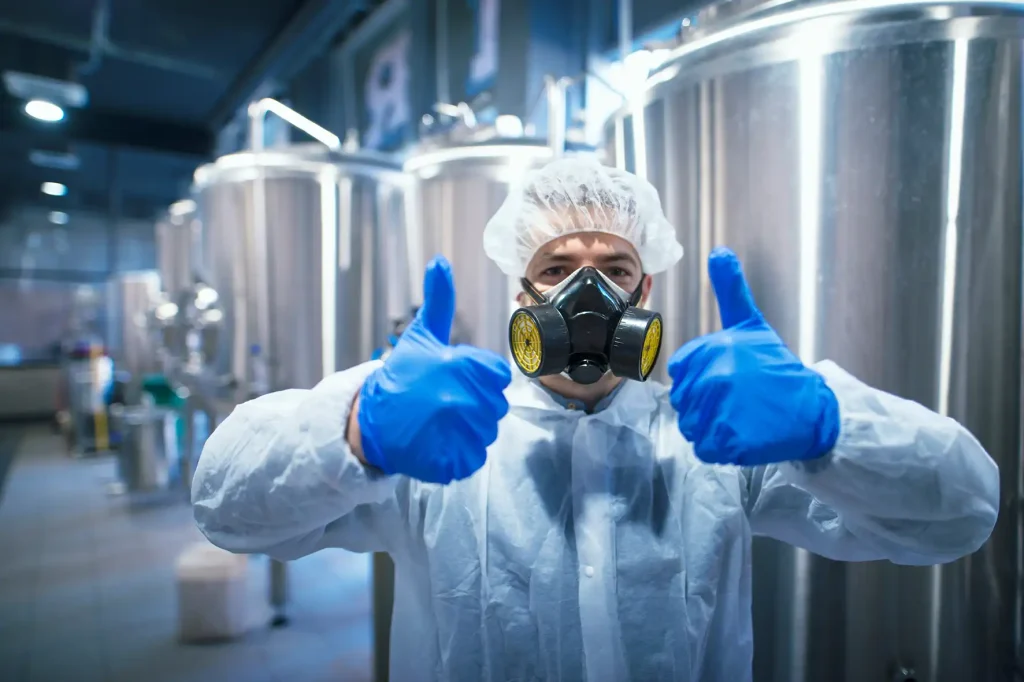
Working with chemicals is an indispensable necessity in many sectors. Chemicals are used in many areas from industrial production to laboratory environments, from cleaning services to the health sector. However, when these substances are not managed correctly, they can pose serious risks to both employee health and environmental safety. At this point chemical substance safety procedures plays a vital role at both individual and organizational level.
Safety procedures not only prevent accidents, but also ensure that work processes are carried out in an orderly and efficient manner. Thanks to these procedures, employees are aware of potential hazards, know what equipment to use and are prepared for emergencies.
In this article, we will take a step-by-step look at the basic safety procedures to follow when working with chemicals, ways to minimize risks and how to create a more sustainable safety culture with professional support.
The Importance of Chemical Safety
Today, chemicals are frequently used in many fields such as industry, laboratories, cleaning and agriculture. If not used correctly, these substances can cause serious health problems, environmental pollution and financial losses. For this reason, chemical substance safety procedures is of great importance at both individual and organizational level.
Safety procedures not only protect the health of employees, but also increase work efficiency and avoid legal sanctions. Acting consciously is the first step to prevent potential accidents.
Istanbul OSGB If you are in search of companies, you can contact Sürmen OSGB immediately. Communicationswitch to.
Classification of Chemical Substances
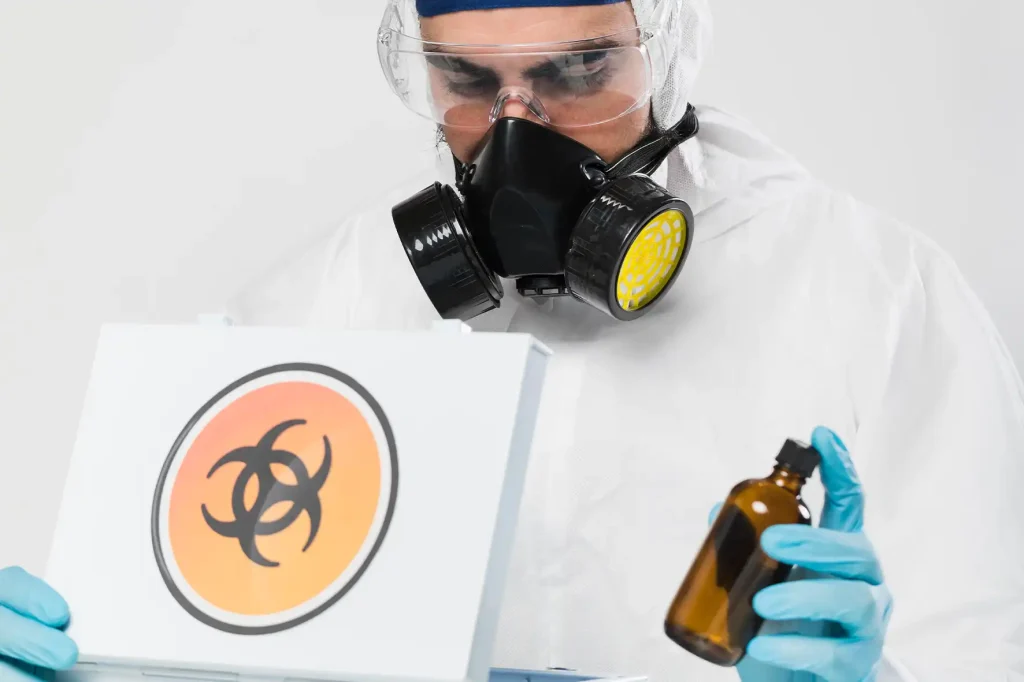
Each chemical carries a different risk. This is why chemicals must first be classified correctly. They are usually grouped under the following groups:
- Flammable substances: Flammable solvents, gases.
- Corrosive substances: Acids and bases that can cause burns on skin and eye contact.
- Toxic substances: Substances that produce toxic effects when inhaled, swallowed or in contact with the skin.
- Reactive substances: Substances that react when in contact with other chemicals or water.
These hazards are also visually indicated by labels and warning symbols (GHS - Globally Harmonized System) prepared according to international standards. It is vital that workers recognize these symbols.
Key Elements of Safety Procedures
Chemical safety procedures, are established within the framework of certain rules and standards. The basic elements of these procedures are:
- Risk Analysis and Assessment: It is determined which chemical contains what kind of hazards. The likelihood and severity of the hazard is assessed.
- Standard Operating Procedures (SOP): Written rules are created for processes such as the use, transportation and storage of chemicals.
- Emergency Plans: Steps to be taken in case of spillage, fire, explosion, etc. are determined in advance. These plans are regularly tested and updated.
It is crucial that these procedures are not only prepared, but also regularly implemented and audited.
Use of Personal Protective Equipment (PPE)
Chemical safety procedures One of the most vital steps is to ensure the correct use of personal protective equipment (PPE). PPE prevents serious health problems by preventing workers from direct contact with chemicals. The equipment to be used varies according to the work performed and the type of chemical used.
Commonly used PPE equipment:
- Protective gloves: It must be chemical proof.
- Goggles or face visor: Protects against splashes and evaporation.
- Lab coat or coveralls: Prevents skin contact.
- Mask or respirator: Protects the respiratory tract against vapors, gases and dust.
- Shoe protectors: Insulates the feet against spills.
The use of PPE is not limited to wearing the equipment; correct fitting, cleaning and regular checks are also an integral part of safety.
Storage and Labeling of Chemicals
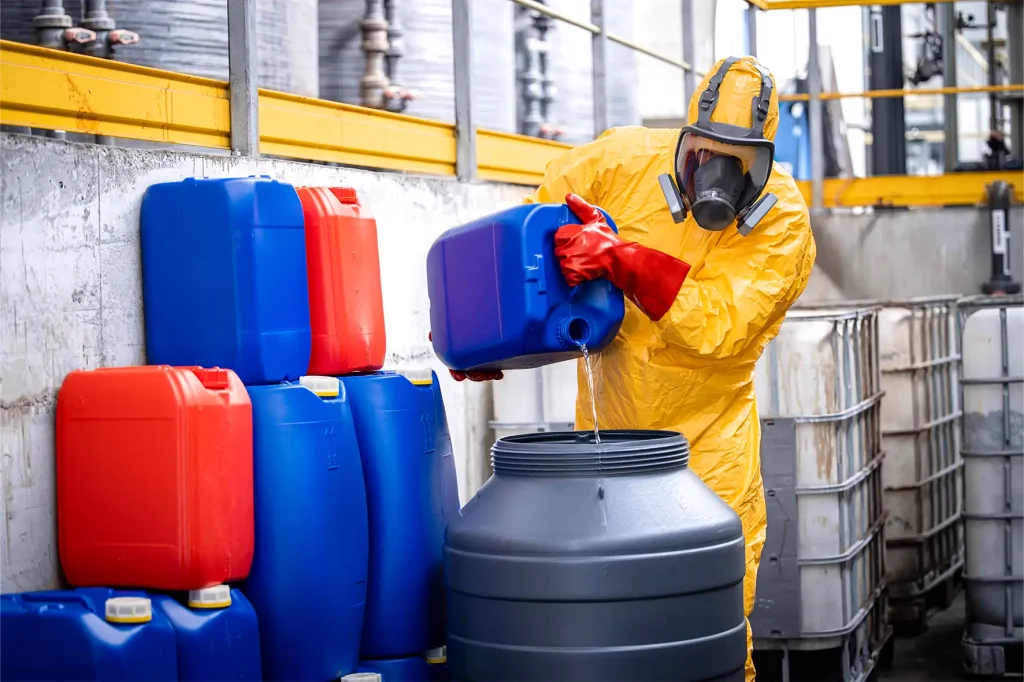
A safe working environment requires proper storage of chemicals. Improper storage can lead to serious risks such as explosion, fire or release of toxic gases.
Basic rules to be aware of:
- Storing compatible substances together: For example, acids and bases should be kept in separate sections.
- The containers are leak-proof and durable: The containers used must be suitable for the nature of the chemical.
- Labeling All containers must be identified with labels that clearly indicate the contents. The label must include hazard symbols, content information and warnings.
- MSDS Documents (Material Safety Data Sheet): It should be prepared separately for each chemical substance and should be accessible by employees.
Good practices in this section are critical to maintaining chemical safety.
Practical Safety Procedures
When working with chemicals, not only theoretical knowledge is not enough; it is also necessary to stick to procedures in practice. Three main stages must be considered for a safe workflow: pre-work preparation, behavior during work and cleaning up after work.
Before the study:
- PPE must be worn appropriately.
- The work area should be ventilated and materials should be checked.
- MSDS documents should be reviewed.
During operation:
- Chemicals should be used with care and containers should not be left open unnecessarily.
- Contact with surfaces should be minimized.
- In case of spillage or splashes, intervene quickly.
After the study:
- All used equipment must be cleaned or disposed of.
- Surplus chemicals should be properly labeled and stored.
- The area should be generally cleaned and ventilated.
All of these steps are essential practices that ensure both individual and collective safety.
First Aid and Intervention in Possible Accidents
In environments where chemicals are used, accidents may occur from time to time despite all precautions. In such cases, fast and correct intervention is vital. Chemical safety procedures, It is not only about preventing accidents, but also about being prepared for possible situations.
Common accidents and first intervention methods:
- Skin contact Wash the contact area with plenty of water for at least 15 minutes. Seek medical advice if necessary.
- Eye contact: Eyes should be washed immediately with plenty of water at an eye shower station and then contact a health institution.
- Soluma: If chemical vapors or gases are inhaled, the person should be taken to the open air immediately and medical assistance should be called if there is respiratory distress.
- Swallowing It depends on the substance ingested. It may be dangerous to induce vomiting. Instructions in the MSDS document should be followed and emergency services should be called.
Emergency numbers and directions should be easily accessible to everyone. It is also an important safety element to have a designated emergency response team within the organization.
Education and Awareness
No matter how good the equipment is, it is the safety factor trained and conscious employees. Regular and comprehensive training on chemical safety procedures can greatly reduce occupational accidents.
The main topics that should be included in the training:
- Introduction and risks of chemicals
- Label reading and MSDS usage
- Use of PPE
- What to do in case of possible accidents
- Practical exercises with real case examples
Periodic renewal of trainings and the creation of an orientation program for new employees ensure the sustainability of the safety culture.
Regulations and Standards
Chemical safety is not only an in-house measure, but also a is a legal obligation. In Turkey and around the world, various legal regulations and standards are in force regarding the use of chemicals. Compliance with these regulations is critical for both employee health and company reputation.
Main regulations applicable in Turkey:
- Occupational Health and Safety Law (Law No. 6331)
- Regulation on Health and Safety Measures at Work with Chemical Substances
- Dangerous Substances and Preparations Regulation
International standards:
- OSHA (Occupational Safety and Health Administration) - USA
- GHS (Globally Harmonized System) - Globally compliant labeling system
- REACH (European Chemicals Regulation) - European Union regulation
- ISO 45001 - Occupational health and safety management system
In line with these regulations, it is of great importance to prepare internal documents, conduct audits and eliminate deficiencies.
Dissemination of Safety Culture
Chemical safety procedures are not just a set of specific rules; they are a set of rules that should be adopted throughout a workplace. safety culture. The establishment of this culture is made possible by the level of awareness of employees, the commitment of managers and professional support.
Every employee should be aware of the risks associated with chemicals and fully comply with safety procedures in their daily workflow. At the same time, employers should see this process not only as a legal obligation, but also as a responsibility centered on human health.
At this point, it is of great benefit to work with companies that offer professional occupational health and safety consultancy services. Especially Sürmen OSGB experienced occupational safety companies, such as the Occupational Health and Safety Center, both manage the regulatory compliance process and offer sustainable safety solutions in field applications.
Sürmen OSGB carries out the entire process in a systematic manner with company-specific risk analysis, training programs, emergency drills and periodic controls. Thus, not only chemical safety but also general occupational safety awareness becomes a part of the corporate structure.
It should not be forgotten that security is not a one-time measure, but a culture that is constantly developed and maintained. Creating this culture is possible with the right information, the right practice and the right business partners.