
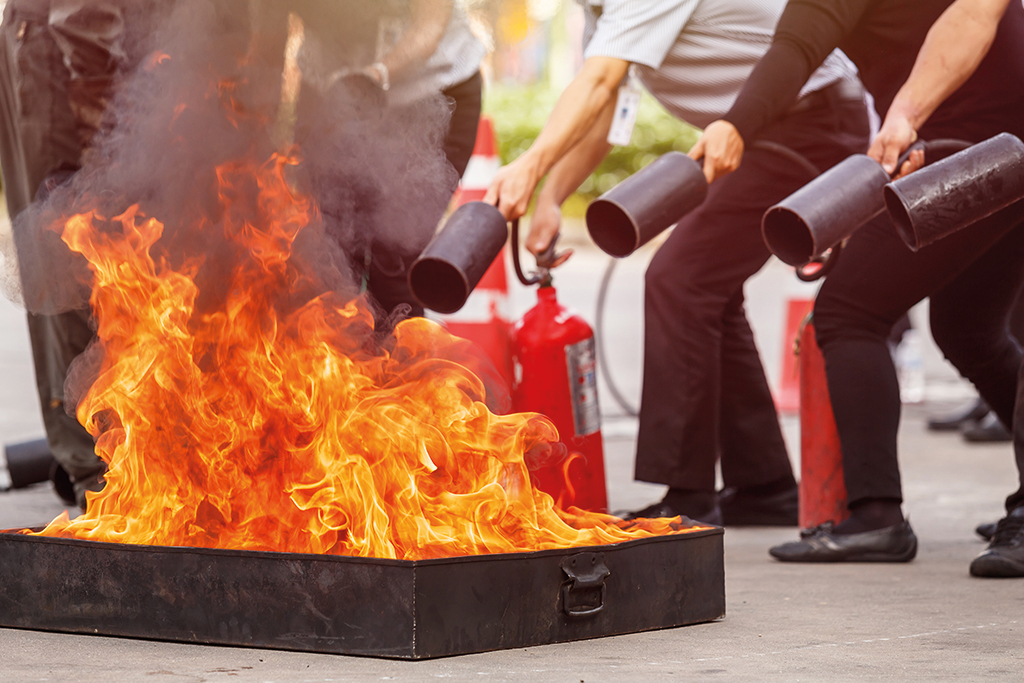
The risk of fire in workplaces is a danger that not only endangers the lives of employees, but also can lead to serious financial losses that can bring the activities of the business to a standstill. Therefore, it is critical to prepare a comprehensive emergency plan to be prepared for unexpected events such as fire in workplaces and to minimize the effects of such situations, as well as to ensure the applicability of this plan by testing it through regular fire drills. This paper will discuss in detail how to prepare an effective emergency plan and how to implement regular fire drills to improve fire safety in the workplace.
What is an Emergency Plan and Why is it Important?
An emergency plan is a document containing comprehensive action steps and responsibilities prepared to ensure the safety of employees and visitors and to minimize loss of life and material damage during unexpected events such as fire, earthquake or explosion that may occur in workplaces. This plan contains safety procedures, escape routes, the duties of emergency response teams and other critical information that all employees within the organization should be aware of. An effective emergency plan not only ensures that the business fulfills its legal obligations, but also increases employees' safety awareness and makes them better prepared for emergencies.
Another factor that increases the importance of an emergency plan is that each workplace has its own physical characteristics, number of employees and sectoral requirements. For this reason, the plans should be updated at regular intervals according to the changing conditions and potential risks of the workplace. An up-to-date and feasible plan makes the organization more resilient to potential risks and reduces concerns about employee safety.
How to Prepare an Emergency Plan?
1. Risk Analysis and Assessment Process
The first and most important step of the emergency plan is to identify the potential hazards present in the workplace and to assess the risks that these hazards may pose. In this process, the elements that may cause fire in the workplace must first be identified. These include electrical installations, flammable and explosive materials, heat generating devices and other factors that may create a breach of security. The identified hazards should be analyzed through risk assessment studies and necessary measures should be planned to eliminate these risks or minimize their effects.
2. Establishment of Emergency Teams
In order to ensure a rapid and effective response in emergencies, special teams should be formed for tasks such as fire extinguishing, search and rescue, evacuation and first aid in the workplace. The responsibilities of the employees who will take part in these teams should be clearly defined and team members should be given the necessary trainings related to their duties at regular intervals. Keeping the trainings up-to-date and practicing the teams with simulations appropriate to their duties will ensure a professional approach in emergencies.
3. Establishment of Communication and Warning Systems
Reliable alarm and warning systems must be in place in the workplace to ensure fast and effective communication in emergencies such as fire. These systems should include smoke and heat detectors that can detect fire at its initial stage, and audible and visual alarm mechanisms to alert employees. In addition, the emergency plan should include communication procedures to facilitate communication with the competent authorities in emergencies.
4. Preparation of Evacuation Plans
The safe evacuation of employees from the workplace is one of the most important stages of emergency plans. When preparing evacuation plans, it is of great importance that escape routes and exits are clear and accessible and that these routes are supported by signs. Areas where employees can safely gather after evacuation should be identified and these areas should be communicated to employees in detail.
5. Documentation and Update
The prepared emergency plan must be put in writing and made available to all employees. In addition, these plans should be regularly reviewed and updated in line with physical changes or new risks that occur in the workplace. An up-to-date plan ensures that appropriate measures are taken for changing conditions.
Importance of Fire Drills and Implementation Process
Objectives of Fire Drills
The main purpose of fire drills is to ensure that employees learn how to behave in the event of a possible fire and gain confidence by practicing. In addition, drills test the effectiveness of emergency plans and identify improvements that need to be made to the plans.
Planning and Implementation of the Exercise
In order to conduct a successful fire drill, a scenario must first be created and the purpose, scope and details of the drill must be determined. During the drill, the fire alarm is activated in line with the determined scenario and employees are ensured to reach the gathering areas safely by following the evacuation procedures. In this process, emergency teams also fulfill their duties and perform operations such as fire intervention, evacuation and first aid. After the drill, observations made throughout the process are evaluated and necessary improvements are made by reporting deficiencies.
Conclusion
Minimizing the negative effects of emergencies such as fire in workplaces is possible with an effective emergency plan and regular fire drills. The active involvement of both employers and employees in these processes ensures that safety measures are implemented more effectively.
As Sürmen OSGB, we offer you services with our expert team in the preparation of emergency plans, increasing fire safety and organizing fire drills in your workplaces. You can contact us to prioritize the safety of your employees and create a healthier working environment in your business.