
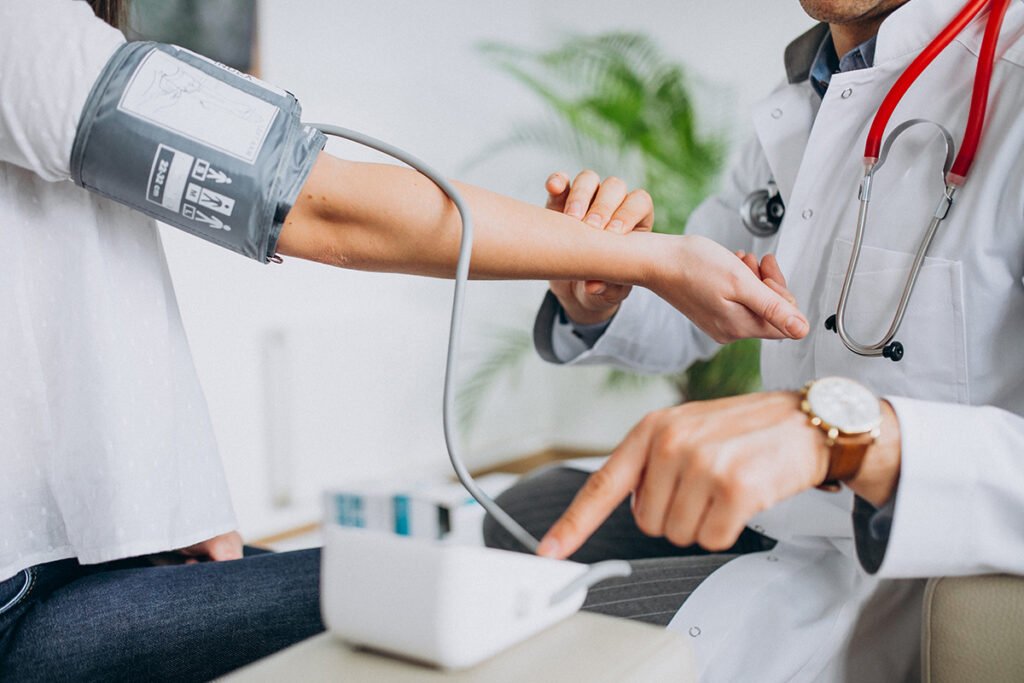
Hypertension, also known as high blood pressure, is a common health problem affecting millions of people worldwide. Hypertension refers to a condition in which the force exerted by the blood on the walls of the arteries is abnormally high. In the long term, this can lead to serious health problems, damaging important organs such as the heart, kidneys, brain and eyes. This article provides basic information about hypertension and the precautions people with hypertension should take.
What is Hypertension?
Blood pressure measures the force exerted by the blood on the blood vessels. There is a blood pressure measurement consisting of two numbers: systolic pressure (high number) and diastolic pressure (low number). Systolic pressure represents the moment when the heart muscle contracts and pumps blood, while diastolic pressure represents the pressure when the heart muscle relaxes and the blood returns to the heart.
Hypertension is usually characterized by long-term blood pressure values of 140/90 mmHg or higher. High blood pressure leads to constant high pressure on the heart and blood vessels, causing wear and tear and reduced functioning of these organs.
Causes and Symptoms of Hypertension
The causes of hypertension generally fall into two categories: primary (essential) hypertension and secondary hypertension. The exact causes of primary hypertension are unknown, but factors such as genetic factors, age, stress, overweight, salt consumption and lifestyle are thought to play a role. Secondary hypertension is hypertension caused by another medical condition or medication.
Symptoms of hypertension can often include headaches, dizziness, nosebleeds and shortness of breath, but these are not always sure signs of hypertension.
What People with Hypertension Should Do
It is important for people with hypertension to keep the condition under control with lifestyle changes and appropriate treatment. Here are some recommendations that people with hypertension should consider:
- Regular medical check-ups: It is important to monitor your hypertension regularly and get the necessary treatment. By staying in touch with your doctor, get guidance on appropriate medications as well as lifestyle changes.
- Healthy eating: Eat a well-balanced diet that includes vegetables and fruits, whole grains and lean proteins, while reducing salt intake. Also, avoid saturated fat, sugar and processed foods.
- Physical activity: Try to do moderate aerobic exercise for at least 150 minutes a week. Activities such as swimming, walking, cycling and jogging can help lower blood pressure.
- Weight control: Maintaining your ideal weight or reaching your target weight will help lower your blood pressure.
- Reduce smoking and alcohol consumption: Smoking and excessive alcohol consumption are factors that increase blood pressure. Quitting smoking and limiting alcohol consumption are important in the control of hypertension.
- Manage stress: Stress can temporarily raise blood pressure. Reduce the effects of stress by practicing stress management techniques (e.g. meditation, deep breathing, yoga) and building positive social relationships.
- Sleep patterns: Inadequate sleep can increase the risk of hypertension. Try to get an average of 7-8 hours of sleep a day and provide a suitable sleep environment to improve your sleep quality.
In conclusion, hypertension is a common condition that can lead to serious health problems. However, with appropriate lifestyle changes and medical supervision, hypertension can be controlled and a healthy life can be maintained.