
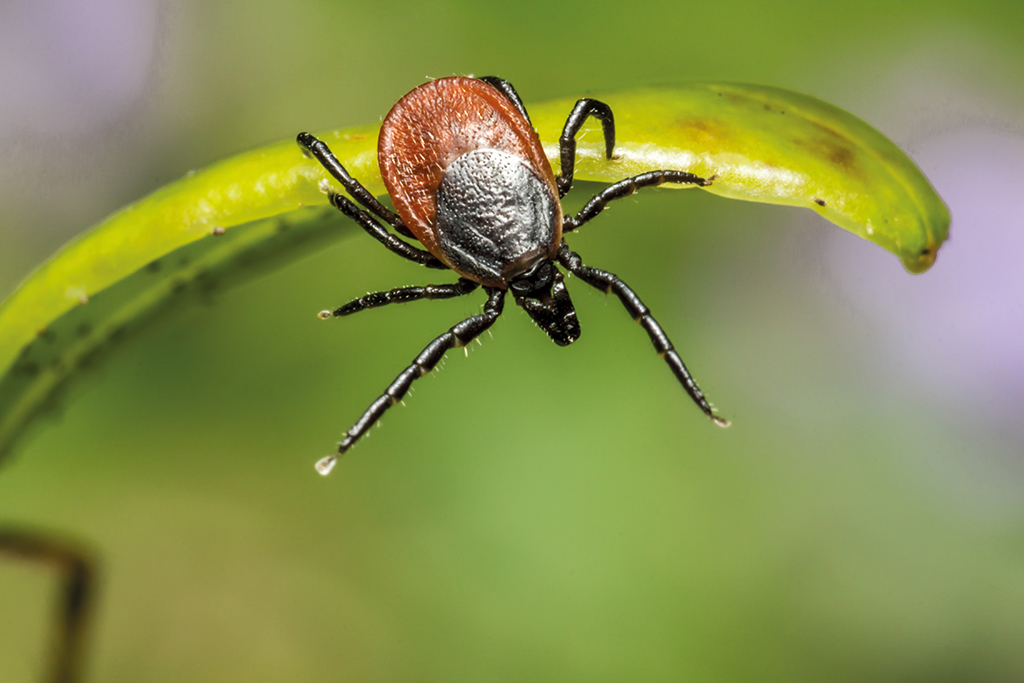
What is CCHF?
Crimean-Congo Hemorrhagic Fever (CCHF) is a zoonotic infectious disease transmitted by ticks and can be passed from animals to humans. The causative agent is a single-stranded RNA virus belonging to the Nairovirus group of the Bunyaviridae family. It poses a serious public health and occupational safety threat, especially in open areas such as agriculture, animal husbandry, forestry and health, and in workplaces where contact with animals is frequent.
The disease occurs after tick attachment and may start with symptoms such as high fever, weakness, muscle and headache, and in some cases may progress with extensive bleeding under the skin, in the digestive system and internal organs. In the absence of appropriate treatment, the mortality rate varies between %4-5.
History of CCHF
In modern medicine, CCHF was first observed among Soviet soldiers in the Crimea region in 1944-1945, and later in 1956, its relationship with a virus isolated from a patient with similar symptoms in Zaire was understood. In 1969, it was determined that these viruses identified in two different regions were the same and the disease began to be known as Crimean-Congo Hemorrhagic Fever.
In Turkey, the first cases were recognized in 2002 and definitive diagnoses were made in 2003. Since then, there has been an increase in the number of cases in the spring and summer months, especially in the central Black Sea region, the north of Central Anatolia and the northern regions of Eastern Anatolia.
What are the Transmission Routes?
CCHF is mainly transmitted by the following ways:
- Direct contact with a tick bite
- Contact with blood, urine, milk or tissues of viremic animals
- Unprotected contact with blood, vomit, urine or other bodily fluids of sick individuals
- Accidents in the laboratory environment where infected samples are processed
Ticks do not fly or jump; they crawl on the ground and climb onto human or animal bodies. In particular Hyalomma marginatum The tick is the main vector of the disease in Turkey.
Who is at Risk?
CCHF poses a particular threat to people in occupational risk groups. These groups include:
- Those engaged in agriculture and animal husbandry
- Shepherds, butchers and slaughterhouse workers
- Veterinarians and technicians
- Health workers
- Forestry workers, park and garden maintenance personnel
- All outdoor workers and picnickers
What are the Symptoms of the Disease?
Symptoms usually appear within 1 to 3 days after tick attachment, which can last up to 9 days. After contact with infected blood or tissue, symptoms may appear within 5 to 13 days.
Main symptoms:
- High fever
- Intense weakness and fatigue
- Headache, muscle and joint pain
- Nausea, vomiting, diarrhea
- Skin bruising and bleeding
- Bleeding from gums, nose and internal organs
Methods to Prevent Crimean-Congo Hemorrhagic Fever and What to Do in Case of Ticks
The most effective way to prevent CCHF is to prevent routes of transmission and to fully implement personal protection measures. It is vital to prevent contact with ticks and avoid improper interventions.
Precautions to be taken before going to risky areas
- Before being in tick-prone areas such as fields, vineyards, gardens, forests and picnic areas, light-colored and long-sleeved clothing that completely covers the body should be worn.
- Trouser cuffs should be tucked into socks, and clothing combinations should be made to make it difficult for ticks to attach.
- Light-colored clothing makes it easier to spot ticks.
What to do on the way back
- When you get home, carefully check your whole body, including behind the ears, nape of the neck, armpits, around the waist, groin and behind the knees.
- It is important to remember to check children in the same way.
- If you see a tick on you or on your clothes, Do not touch with bare hands, Do not crush or explode.
What to do if a tick is seen on the body?
- Do not try to remove the tick yourself.
Improper practices when removing the tick (such as pulling, pressing, burning, pouring cologne) can cause the tick to transfer body fluids into the bloodstream and increase the risk of virus transmission. - As soon as the tick is noticed, It should be left as it is attached to the body and a health institution should be consulted as soon as possible.
Healthcare personnel will remove the tick using the appropriate method, under sterile conditions and without risk of infection. - The person after the tick has been removed, observe yourself for at least 10 days for symptoms such as fever, malaise, muscle pain, headache, nausea or diarrhea.
If any of these symptoms occur, you should go to the nearest health facility without delay.
Protection in Contact with Animals and Patients
- Since CCHF can also be transmitted through the blood, milk, urine or tissues of infected animals, it is important to avoid contact with these substances. should not be touched with bare hands.
- Contact with sick individuals must be avoided Personal protective equipment such as gloves, masks and aprons should be used.
- Direct contact with blood and body fluids of sick persons should be avoided.
Things to Remember
- Ticks do not fly or jump; they crawl from the ground and climb up the body.
- The earlier and more accurate the removal of the tick, the lower the risk of disease transmission.
- Wrong interventions facilitate the transmission of the disease.
- The safest method is to have the tick removed by a health professional.