
Ramadan is a holy month for us Muslims and fasting during this period encourages physical and spiritual purification. During this period, abstaining from food and drink throughout the day tests both the physical and mental endurance of individuals. Especially for busy professionals, a healthy diet is one of the keys to getting through this period in a more productive and healthy way. Work challenges and stress can make it difficult to maintain healthy eating habits while fasting. In this article, we will discuss the importance of and how to manage a healthy diet during Ramadan despite the challenges of working life.
Especially in the stress and intensity of working life, a healthy diet becomes even more important. During this period, the quality and quantity of food intake throughout the day can affect many factors, from work performance to mental focus.
The Effects of Healthy Nutrition on Business Life
The quality of food intake during fasting has a direct impact on work efficiency and concentration. A healthy diet ensures that metabolism remains balanced and energy levels are maintained during fasting. A balanced diet minimizes performance fluctuations during the day, especially considering the mental and physical challenges of work life.
Balanced Nutrition at Iftar and Sahur
Iftar and suhoor meals form the basis of the Ramadan dietary rituals. Each of these meals is a preparation for the hunger and thirst that will last all day long.
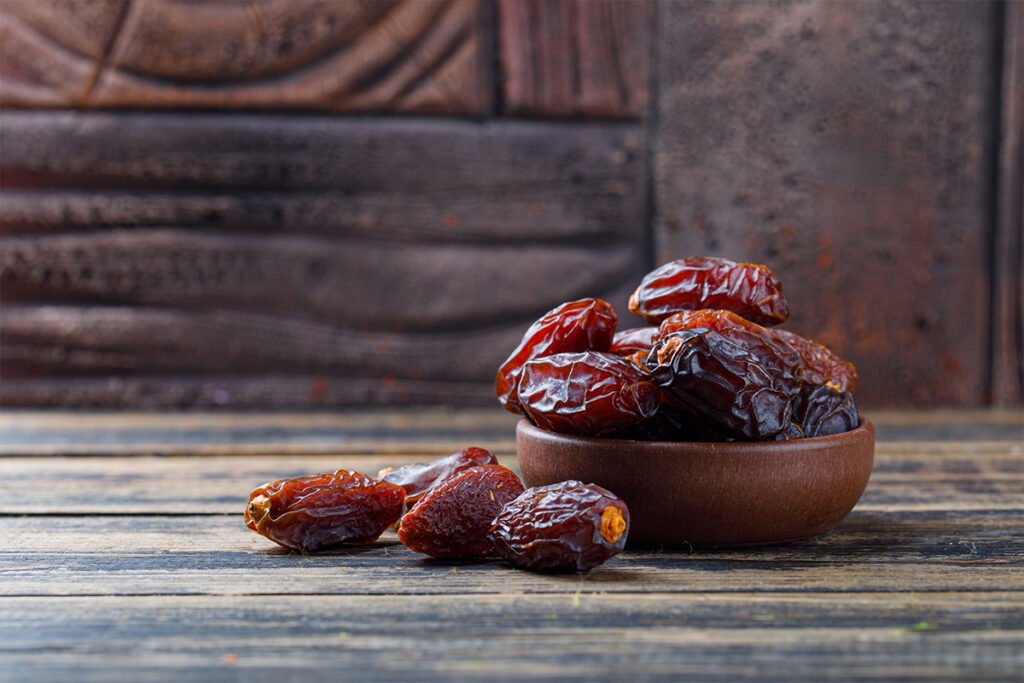
- Structure of Iftar: Iftar should slowly accustom the body to nutrition. Traditionally, starting with a few dates and a glass of water energizes the body without a sudden sugar overload. For the main meal, protein sources (meat, chicken, fish or vegetable proteins), fiber-rich vegetables and whole grains should be preferred. For example, a grilled salmon fillet, a salad with lots of greens and quinoa can be a nutritious and balanced iftar option.
- The Importance of Sahur: Sahur should include nutrients to build stamina for the long fasting hours. Slowly digesting complex carbohydrates (whole grain breads, oatmeal), proteins and healthy fats (avocado, olive oil, nuts) are essential for this meal. A bowl of oatmeal, topped with fresh fruit and a handful of almonds will help maintain energy levels throughout the day.
Water and Hydration
Water consumption during Ramadan is especially critical for physical and mental performance. Between Iftar and Suhoor, it is important to drink plenty of water to replace fluids lost throughout the day. This is necessary to prevent dehydration and maintain optimal body functions.
The Role of Snacks
In the period between iftar and sahur, it is beneficial to consume light snacks to keep metabolism alive and blood sugar in balance. For example, a handful of nuts or a serving of yogurt a few hours after iftar can support metabolism throughout the night.
Stress Management and Adequate Rest
Overcoming work stress and fatigue during Ramadan is as important as healthy eating. Relaxation techniques such as meditation, light exercise or walking support mental and physical wellbeing. At the same time, adequate and quality sleep plays a critical role in maintaining energy levels while fasting.
During Ramadan, maintaining healthy eating and lifestyle habits despite the rigors of working life is vital for coping with the physical and mental challenges of fasting. Balanced iftar and sahur meals, adequate water consumption, a diet supported by snacks and stress management techniques are the foundations needed to spend this holy month in good health and peace.