
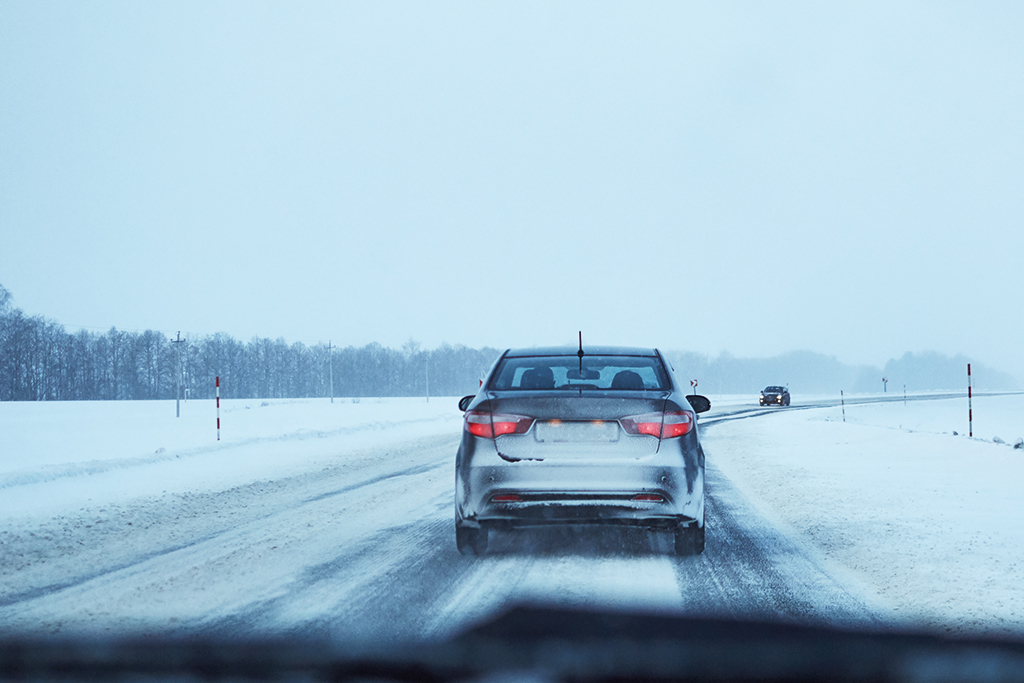
With the arrival of the winter months, traffic conditions become quite challenging, especially for drivers. Especially adverse weather conditions such as snowfall, icing and dense fog require drivers to be much more careful than in normal weather conditions. In such weather conditions, factors such as reduced road grip, longer braking distances and more difficult vehicle control increase the risks that drivers may face. Therefore, a number of important precautions should be taken to ensure safe driving on snowy and icy roads. These precautions are discussed in detail and comprehensively below.
Vehicle Maintenance and Pre-trip Preparation
In order to have a safe journey during the winter months, the vehicle must be fully prepared mechanically and hardware-wise. Especially if you plan to travel on snowy and icy roads, you should definitely fulfill the maintenance procedures listed below.
- Using Winter Tires: Standard tires may harden at low temperatures and lose their grip. For this reason, winter tires should be preferred and care should be taken to ensure that the tread depth is at least 3 mm. In addition, checking tire pressures regularly helps maintain road grip.
- Snow Chains and Anti-Skid Equipment: Snow chains or studded tires should be used when traveling in areas with heavy snowfall. Correctly attaching snow chains to the tires is of great importance to prevent the vehicle from slipping.
- Battery Checks: Cold weather conditions can adversely affect the performance of batteries and cause unexpected situations. Checking your battery's charge level and replacing a weak battery will reduce your chances of being stranded.
- Glass Fluids and Antifreeze: Windshield wiper water must contain antifreeze. It is also necessary to use enough antifreeze to prevent the radiator water from freezing.
- Brake and Engine Oil Checks: On snowy roads, the braking distance can be considerably longer than under normal conditions. Therefore, brake discs and pads should be checked regularly and replaced if necessary.
Driving Techniques and Considerations
Some special techniques must be applied to ensure safe driving in winter. The basic driving rules to be considered on snowy and icy roads are as follows:
- Avoid Sudden Braking and Sudden Acceleration: Sudden braking or sudden acceleration on snowy and icy surfaces may cause the vehicle to skid. Therefore, brake as slowly and in a controlled manner as possible to bring the vehicle to a stable stop.
- Enter corners slowly: Speeding into corners on slippery roads can cause the vehicle to lose control. The safest approach is to reduce speed before cornering to ensure a balanced turn.
- Increase Tracking Distance: In normal weather conditions, the following distance is recommended to be approximately two seconds, while in winter conditions it is recommended to be at least five seconds. This maintains a safe distance in case of sudden stops and skidding.
- Press the Gas and Brake Pedals with Precision: When driving on snowy and icy roads, avoid sudden and hard pressing on the accelerator and brake pedal. Drive in a controlled manner by making smooth transitions to maintain balance.
Being Prepared for Emergencies
Unexpected situations can occur at any time. Therefore, it is essential to be prepared for emergencies when traveling in winter.
- What to do in case of slipping? If the vehicle starts to skid, avoid sudden steering movements and try to regain control of the vehicle by turning the steering wheel slightly in the direction of the skid. Acting in a controlled manner without panicking will help you manage the skidding process more safely.
- Carry a Winter Emergency Kit: A blanket, flashlight, first aid kit, water, energizing snacks, ice scraper, jumper cables and a fully charged phone should be kept in the vehicle. It may also be useful to carry a spare fuel canister for emergencies.
- Keep the Fuel Level Full: You should always keep your fuel tank at least half full in case you are stranded in cold weather. This not only keeps the engine running smoothly, but also keeps you warm in case you have to stay in the car for a long time.
Check Weather and Road Conditions
Before traveling, you should check weather forecasts and road conditions to determine your route. If there is a risk of heavy snowfall or icing, you should choose alternative routes and postpone your trip if necessary.
The precautions to be taken to ensure safe driving on snowy and icy roads are quite varied. Complete vehicle maintenance, using appropriate tires, practicing the right driving techniques and being prepared for possible emergencies are of great importance to prevent accidents. While ensuring your own safety in traffic, acting with the safety of other drivers in mind will help you have a more conscious driving experience in winter conditions. Traveling by taking all these precautions into consideration will ensure the safety of both you and your passengers and make it possible for you to have a more comfortable journey. As Sürmen OSGB, we support raising awareness on occupational health and safety issues and emphasize all measures to be taken for a safe driving experience.