
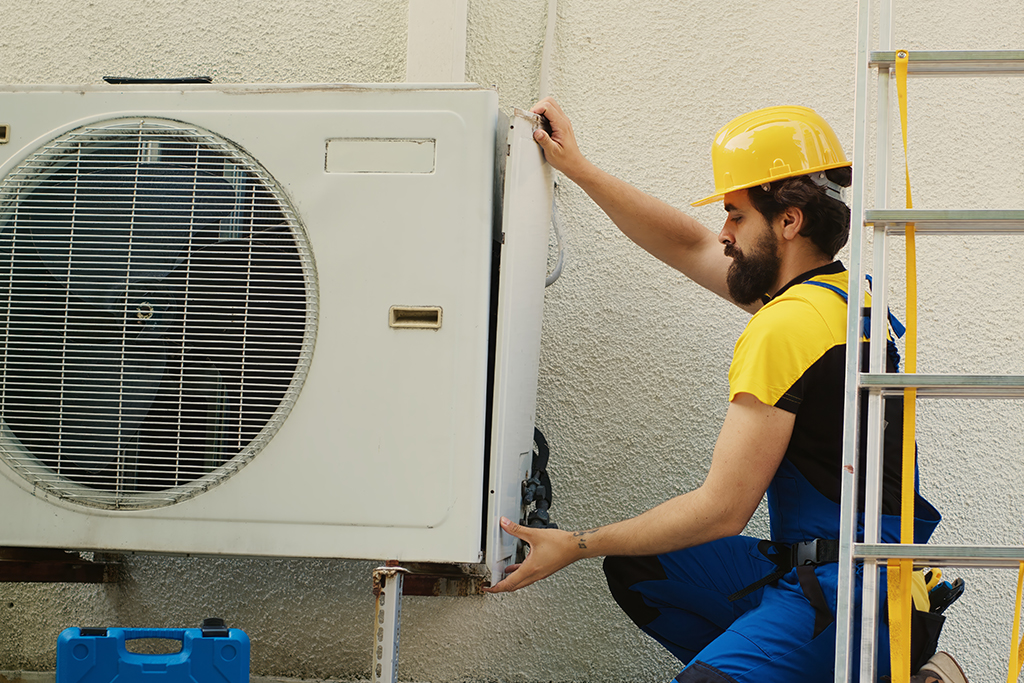
Long working hours spent in enclosed office environments make the quality of the air we breathe and the thermal comfort of the environment a matter of vital importance. In modern work life, HVAC systems are not merely tools for cooling or heating; when properly managed, they form one of the cornerstones of a culture of occupational health and safety. Especially for professionals engaged in intense mental work, clean air circulation and an ideal temperature balance are recognized as integral components of motivation, high concentration, and overall well-being.
The Importance of Climate Control in Indoor Work Areas
Spacious atriums—a hallmark of modern architecture—and office buildings with limited natural ventilation have increased reliance on air conditioning systems. In enclosed spaces where hundreds of employees breathe the same air, the supply of fresh air, the balancing of carbon dioxide levels, and the removal of polluted air are achieved entirely through air conditioning and ventilation systems. The uninterrupted and properly sized operation of these systems plays a critical role in removing harmful particles that can accumulate in enclosed spaces. A decline in air quality in workplaces sets the stage for problems such as headaches, chronic fatigue, and lack of concentration, thereby negatively impacting overall operations.
The Role of Air Conditioning Maintenance in Occupational Health and Safety
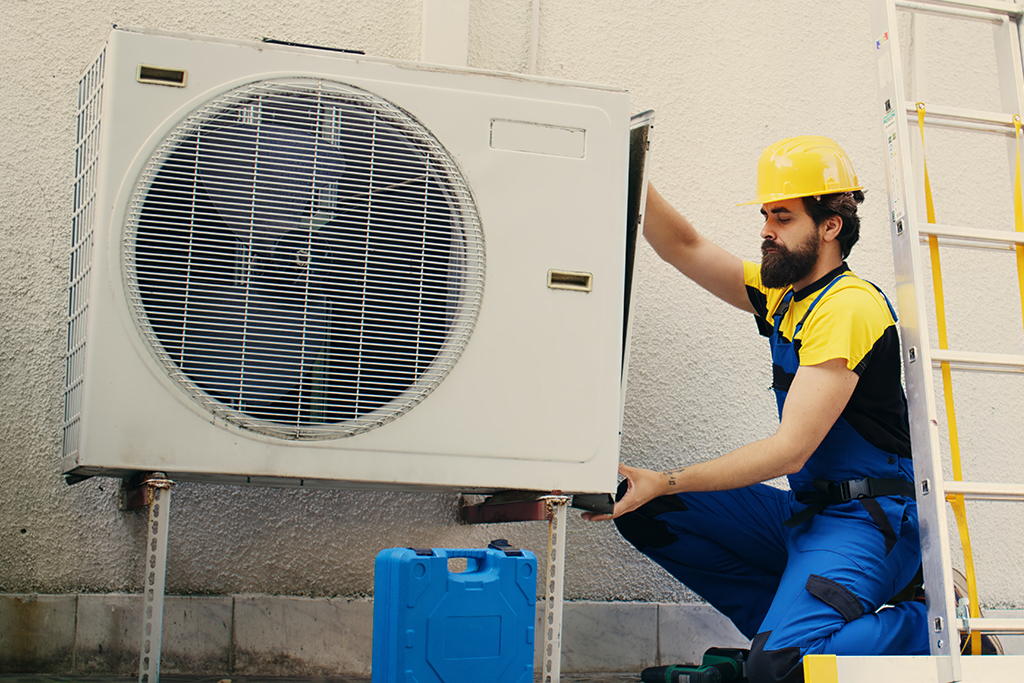
Regular inspections of air conditioning units used in workplaces are not merely a technical detail that extends the unit’s lifespan, but also an extremely important occupational health and safety measure. Air conditioning and ventilation systems that are not maintained on time can lead to serious hygiene risks, losses in energy efficiency and performance, and workplace environment issues. The combination of dust, moisture, and dark environments creates an ideal breeding ground for microorganisms in air conditioning filters and ducts. Therefore, periodic cleaning and technical maintenance of air conditioning units ensure that invisible hazards—which could directly threaten employees—are eliminated at their source.
Hygiene Risks and Respiratory Sensitivities
Air conditioner filters that are not cleaned regularly trap dust, pollen, bacteria, and mold spores from the environment over time, causing these harmful substances to circulate continuously within the enclosed space. This situation poses a serious risk, particularly for employees with allergies or chronic respiratory conditions such as asthma. The Legionella bacterium—commonly known as “air conditioning disease” and capable of causing Legionnaires’ disease—can easily multiply in stagnant water and damp HVAC ducts. To prevent such health risks, it is essential to contact an occupational health physician or the relevant health authority in suspicious cases and seek an expert evaluation.
Work Productivity and Loss of Focus
It takes much longer for an air conditioner with clogged filters and low refrigerant levels to bring the room to the desired temperature; this causes the unit to work excessively hard, resulting in a significant loss of efficiency. This inefficiency directly translates into problems with the working environment within the office. In a stuffy and inadequately climate-controlled office, the drop in oxygen levels affects employees’ metabolic rates, leading to mental fatigue. The reduction in the amount of oxygen reaching the brain shortens the duration of concentration, slows down decision-making processes, and creates a lack of attention that could set the stage for workplace accidents or errors toward the end of the day.
Ideal Temperature and Humidity Levels in Offices
Thermal comfort in workplaces is determined not only by the ambient temperature but also by a combination of many factors, such as humidity, airflow velocity, and radiant heat. According to regulations and international standards, in enclosed spaces such as offices that require light physical activity, it is recommended that the ideal ambient temperature be maintained between 20 and 22 degrees during the winter months and between 23 and 25 degrees during the summer months. At the same time, maintaining the relative humidity in the environment between 40 and 60 percent helps prevent the respiratory tract from drying out and preserves the skin’s natural moisture balance. It is crucial to adjust the airflow direction of the air conditioner so that it does not blow directly onto employees, in order to prevent ergonomic issues such as muscle cramps and joint pain.
The Effect of Thermal Comfort Conditions on Employee Psychology
The effects of physical conditions on employee psychology are frequently emphasized in modern human resources and occupational psychology research. An excessively hot and humid office environment causes employees to feel overwhelmed, irritable, and increases their stress levels; conversely, an environment that is cooled excessively leads to muscle tension and restlessness as the body tries to maintain its thermal balance. Being in a thermal environment where employees feel comfortable increases job satisfaction, positively impacts internal communication, and contributes to overall quality of life by minimizing work-related stress.
The Contribution of Regular Maintenance and Filter Replacement to Indoor Air Quality
To ensure that an office air conditioner produces healthy air, filter changes and chemical cleanings must be performed without fail in accordance with the manufacturer’s instructions and expert recommendations. In offices with heavy usage, performing this maintenance during seasonal transitions ensures the system operates smoothly. Air conditioners that receive regular maintenance purify the air in the environment, preventing the formation of unpleasant odors, trapping dust particles, and providing a fresh working atmosphere. Furthermore, performing technical maintenance on time directly contributes to workplace safety by eliminating potential fire risks caused by electrical short circuits.
Employer Responsibilities and the Protection of Employee Health
Under the law, employers are required to protect the health and safety of their employees and to identify and eliminate physical, chemical, and biological risk factors in the workplace. Ensuring thermal comfort conditions and the proper operation of HVAC systems are also among these legal obligations. Employers must periodically have the effectiveness of ventilation systems measured as part of workplace monitoring and take into account employee complaints regarding ambient temperature. Effective management of these processes strengthens the bond of trust between employees and employers while also helping to protect the company’s reputation.
The use of air conditioning in office environments goes beyond being a mere luxury or a simple means of cooling; it is a critical factor that directly affects employee health, work productivity, and workplace safety. From the quality of the air breathed in enclosed spaces to the ideal humidity and temperature levels of the environment, many factors are managed through proper climate control strategies. Considering that a poorly maintained air conditioning system can pose hygiene risks and lead to a loss of productivity, it is clear that periodic inspections are an integral part of an occupational health and safety culture. It must not be forgotten that a healthy work environment is the fundamental guarantee of a healthy and productive workforce.