One morning during the winter months, several staff members from the same department ask for time off, complaining of nausea and vomiting. The following day, the same symptoms begin to appear amongst the kitchen staff in the canteen. The most common cause of this situation is the norovirus, commonly known as ‘stomach flu’.
Norovirus can cause illness even in very small quantities; it remains viable on surfaces for days and cannot be easily eliminated with hand sanitiser. In this guide, we explain the symptoms of norovirus, how it is transmitted and how long it lasts. We then outline the hygiene rules for preventing outbreaks in workplace canteens and the employer’s legal obligations.
What is Norovirus?
Norovirus is a highly contagious virus that causes diarrhoea and vomiting. According to the Acıbadem Healthcare Group’s disease guide, it belongs to the calicivirus family and is the leading cause of non-bacterial gastrointestinal infections worldwide. Although it is commonly referred to as ‘stomach flu’, it has no connection to the influenza virus.
The virus can be found throughout the year, but is more common during the winter months. According to a statement from the Ministry of Health, outbreaks frequently occur in places where people live and eat together, such as nurseries, schools, hospitals, restaurants, ships and military units. Workplace canteens also fit this description perfectly.
What Are the Symptoms of Norovirus?
Symptoms usually begin suddenly. According to Acıbadem’s guide, the most common symptoms are as follows:
- Nausea and vomiting
- Watery diarrhoea
- Abdominal pain and cramps
- Fever, chills and shivering
- Headache and muscle aches
Abdominal pain, nausea and vomiting are more common in children. Some people, however, show no symptoms at all; yet these people can still pass the virus on to others.
How Long Does Norovirus Last?
Symptoms begin 12–48 hours after exposure to the virus and usually subside within 1–3 days. There is no specific treatment for norovirus, and antibiotics are ineffective against viruses. The main treatment is to drink plenty of fluids and rest; medicines for diarrhoea and nausea should only be taken on the advice of a doctor.
Recovery does not mean the infectious period has ended. According to an information sheet prepared by the US Centres for Disease Control and Prevention (CDC) for food handlers, people are most infectious whilst they are ill and for the first few days after recovery. Acıbadem’s guide states that the infectious period may last for several weeks after recovery.
When Should You See a Doctor?
Most patients recover at home; the main risk is fluid loss (dehydration). Seek medical attention in the following situations:
- A decrease in urine output, dry mouth and throat, dizziness upon standing
- Diarrhoea lasting longer than 3 days
- Blood in the stools
- Severe vomiting preventing fluid intake
The illness may take a more severe course in young children, the elderly, those with weakened immune systems, and those with heart, lung or kidney disease, or diabetes. These individuals should consult a doctor without delay when symptoms begin.
How is Norovirus Spread?
Norovirus is transmitted via the oral route. According to the CDC, infected individuals shed billions of viral particles in their stools and vomit, yet only a very small number of viruses are needed to cause illness. The CDC’s Vital Signs report states that this number can be as low as 18 viral particles.
The main routes of transmission are as follows:
- Close contact with an infected person, or sharing plates, glasses and cutlery
- Consuming food and drink contaminated with the virus
- Touching surfaces contaminated with the virus and then touching one’s mouth
- Small droplets expelled into the air during vomiting landing on food and worktops
Is stomach flu contagious?
Yes, very much so. According to the CDC, norovirus can remain viable on worktops and serving utensils for up to two weeks and retains its infectivity even in freezer temperatures. Acıbadem’s guide states that the virus can withstand temperatures of up to 63°C. Therefore, any food prepared by hand or served raw after cooking poses a risk.
Why Does Norovirus Spread So Quickly in Canteens?
A canteen brings together everything needed for the spread of norovirus: food from the same kitchen, shared serving utensils and large crowds eating side by side at the same time. In a canteen serving hundreds of people, a single infected kitchen staff member can trigger an outbreak.
The CDC’s Vital Signs report illustrates this risk with figures:
Findings | Rate |
|---|
In foodborne norovirus outbreaks where the source has been identified, the culprit is an infected food handler | 70 |
In these outbreaks, the worker had handled ready-to-eat food with bare hands | 54 |
Food handlers who reported working whilst suffering from vomiting and diarrhoea | 1 in 5 |
Instances where staff washed their hands correctly | Once in every four required instances |
The report was published in 2014 using US data. The two issues it highlights – sick staff coming to work and poor hand hygiene – are risks that must be managed in every canteen.
Canteen Hygiene Rules: 7 Precautions Against Norovirus
The following rules have been compiled from the CDC’s recommendations for food handlers and the Food Hygiene Regulations.
1. Sick Staff Must Not Enter the Kitchen
Staff experiencing vomiting or diarrhoea must not prepare food, serve food or handle food. The CDC recommends that food handlers stay at home whilst ill and for at least 48 hours after symptoms have subsided. Upon returning to work, they must continue to follow precautions such as frequent hand washing.
For this rule to be effective, staff must feel able to report their symptoms without hesitation. The CDC therefore recommends measures that make it easier for sick staff to stay at home, such as paid sick leave and a back-up staff plan.
2. Wash Hands with Soap and Water
Hands should be washed with soap and water for at least 20 seconds, particularly after using the toilet and before preparing, serving or eating food. According to the CDC, hand sanitiser can be used in addition to handwashing but is not a substitute for soap and water. Placing hand sanitiser at the canteen entrance is not sufficient; there must be easily accessible washbasins, soap and paper towels for staff.
3. Do Not Touch Ready-to-Eat Food with Bare Hands
Foods that will not be reheated, such as salads, bread, desserts and fruit, must be handled with tongs, a ladle or disposable gloves. Hands must be washed before putting on gloves and after taking them off.
4. Wash Fruit and Vegetables; Cook Seafood Thoroughly
Fruit and vegetables must be washed thoroughly before preparation. According to the CDC, shellfish such as oysters and mussels must be cooked thoroughly; brief steaming does not kill the virus. Food suspected of being contaminated should be discarded.
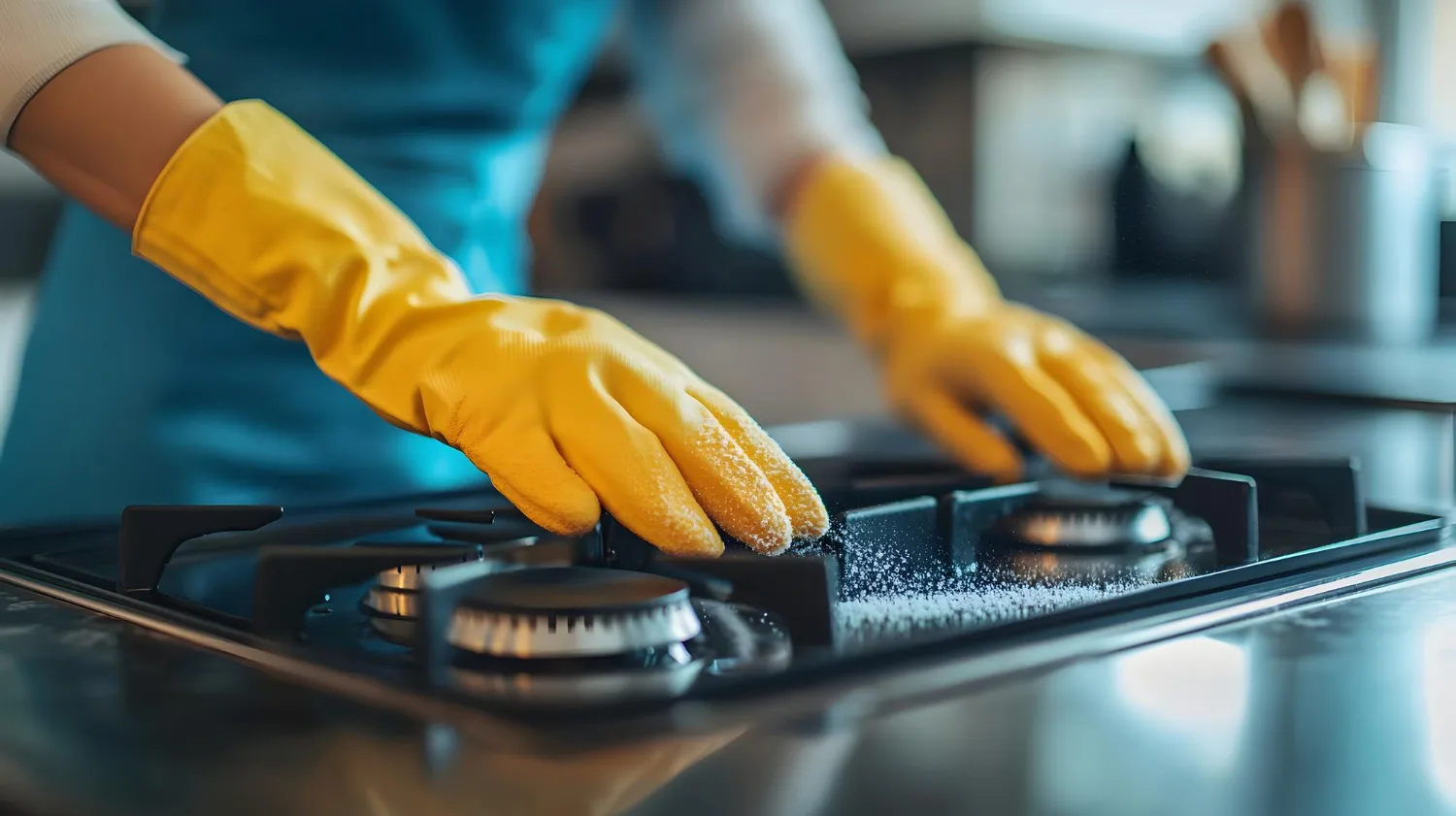
5. Surfaces Should Be Disinfected with a Bleach-Based Product
Tables, worktops, door handles, tray racks and serving utensils should be cleaned and disinfected regularly. The CDC recommends a bleach solution at a concentration of 1,000–5,000 ppm against norovirus, or a disinfectant proven to be effective against norovirus.
Surface | Recommended concentration | 5.25 per cent bleach added to 1 litre of water |
|---|
Hard surfaces such as worktops, sinks, door handles and tiled floors | 1,000 ppm | Approximately 20 mL |
Areas contaminated with vomit or diarrhoea, and porous surfaces such as wood | 5,000 ppm | Approximately 100 mL |
The surface classifications in the table are based on the Montana Department of Health’s norovirus guidance; litre equivalents were calculated from the CDC’s measurements in gallons. As the concentration of bleach varies depending on the product, check the label. Prepare a fresh solution every day, never mix it with other cleaning products, and rinse surfaces that come into contact with food with clean water after disinfection.
If someone vomits in the canteen or kitchen, the area must be closed off immediately, cleaned and disinfected. The person carrying out the cleaning must wear gloves, and any exposed food nearby must be discarded. Vomit must not be cleaned up with a vacuum cleaner.
7. Staff Are Trained and Supervised
The CDC recommends that kitchen managers be certified and that all food handlers receive training in food safety. In Turkey, too, the Food Hygiene Regulation imposes this obligation on food business operators. Rather than providing training once and leaving it at that, ensure that the rules are being followed on the ground through regular inspections.
Legal Framework: What Does the Food Hygiene Regulation Say?
Whether the canteen is the workplace’s own kitchen or a catering firm providing external services, the business preparing the food must comply with the Food Hygiene Regulation:
- Article 17/2: Persons suffering from a foodborne illness or who are carriers of such an illness, or who have symptoms such as an infected wound, a skin infection or diarrhoea, must not be permitted to handle food or enter food preparation areas if there is a risk of contamination.
- Article 17/3: Food business staff exhibiting these symptoms are obliged to report their illness or symptoms to the food business operator.
- Article 21: The operator shall ensure that staff are informed and trained on food hygiene matters required by the nature of their work.
The Ministry of Agriculture and Forestry’s Official Sampling Procedure requires establishments serving food for mass consumption to store one sample of each type of dish for 72 hours, either refrigerated or frozen. These reference samples assist in identifying the source in the event of a potential foodborne outbreak.
From the employer’s perspective, the issue is not limited to food legislation alone. The Occupational Health and Safety Act No. 6331 imposes a duty on employers to assess health risks in the workplace and take preventive measures. The risk of infectious diseases in canteens, kitchens and communal areas must also be addressed in the risk assessment.
What Should Be Done in the Event of a Norovirus Outbreak at Work?
If, within 12–48 hours of a shared meal, several people fall ill with similar symptoms, this indicates a foodborne outbreak according to the University of Washington’s outbreak control checklist. In such a situation, follow these steps:
- Send sick employees home. Kitchen and serving staff should not return to work for at least 48 hours after their symptoms have subsided.
- Notify your occupational health doctor. The doctor will assess the cases and work with you to plan measures to limit the spread.
- Suspend the buffet service. The US National Park Service’s cleaning guidelines recommend suspending all self-service practices for staff and visitors during an outbreak. Have kitchen staff serve the food.
- Carry out thorough cleaning. Disinfect all frequently touched surfaces, including the canteen, toilets, door handles, lift buttons and handrails, using a bleach solution.
- Remind people about hand hygiene. Restock sinks with soap and paper towels, and display hand-washing reminders in toilets and at the canteen entrance.
- Retain samples and contact the relevant authorities. The CDC recommends reporting any suspected cases of foodborne illness to the local health authority. Do not dispose of food samples from the days in question.
Ensure Hygiene in Your Canteen with Sürmen OSGB
As Sürmen OSGB, our occupational health doctors assess canteen and kitchen hygiene on-site and draw up a rapid response plan in the event of a suspected outbreak. Through hygiene training, we ensure your kitchen and service staff adopt best practices, from hand hygiene to disease reporting. We also include the risks of infectious diseases in canteens and communal areas in your risk assessment.
Conclusion
Norovirus is a short-lived but highly contagious illness that can sideline a significant proportion of a workplace’s staff within a matter of days. However, the vast majority of outbreaks can be prevented by following simple rules: keeping sick staff out of the kitchen, washing hands with soap and water, avoiding touching prepared food with bare hands, and using bleach-based disinfectants.
Please contact us to review your canteen’s hygiene procedures together.
Frequently Asked Questions
What is norovirus?
Norovirus is a highly contagious virus that causes sudden vomiting and diarrhoea. It is commonly known as ‘stomach flu’, but it is not related to the flu virus. It is more common during the winter months and causes outbreaks in crowded environments such as schools, hospitals, restaurants and canteens.
What are the symptoms of norovirus?
The most common symptoms are nausea, vomiting, watery diarrhoea and abdominal cramps. These may be accompanied by a fever, chills, and headaches or muscle aches. Some people show no symptoms at all, but they can still pass the virus on to others.
How long does norovirus last?
Symptoms begin 12–48 hours after exposure to the virus and usually subside within 1–3 days. If diarrhoea lasts longer than 3 days, if there is blood in the stools, or if signs of dehydration appear, you should seek medical attention.
How is norovirus transmitted?
Norovirus is transmitted via the oral route: close contact with an infected person, contaminated food and drink, or touching contaminated surfaces and then putting your hands in your mouth are the most common routes of transmission. Droplets expelled into the air during vomiting can also contaminate nearby food and surfaces.
Is stomach flu contagious, and for how long?
Yes, it is highly contagious. A person is most contagious whilst ill and for the first few days after recovery, although the virus may continue to be shed in the stools for several weeks after recovery. Particular attention should be paid to hand hygiene during this time.
Is hand sanitiser effective against norovirus?
It is not sufficient on its own. According to the CDC, hand sanitiser can be used in addition to hand washing but is not a substitute for soap and water. Hands should be washed with soap and water for at least 20 seconds.
When can a kitchen worker who has had norovirus return to work?
The CDC recommends that food handlers should not return to work for at least 48 hours after symptoms have subsided. The Food Hygiene Regulations also prohibit individuals with symptoms such as diarrhoea from entering food preparation areas. It is best to make the decision to return to work in consultation with the workplace doctor.
What helps with norovirus?
There is no specific medication for norovirus, and antibiotics are ineffective. The most important thing is to replace lost fluids: drinking plenty of water and other fluids, resting and eating light meals will aid recovery. Medicines for diarrhoea and nausea should only be used on the advice of a doctor.

 Occupational Health and Safety