
As humans living on Earth's moving crust, we are witnesses to the ever-changing and evolving nature of our planet. Earthquakes are one of the most fascinating and frightening faces of these processes. In this article, we will examine what earthquakes are, how they occur, their damages and how people can prepare for these natural disasters.
- What is an Earthquake?
An earthquake is an earth tremor caused by a sudden release of energy in the earth's crust. This release of energy occurs when the stresses in the earth's crust increase and reach a breaking point and the energy spreads in the form of waves. Earthquakes usually occur along fault lines in the earth's crust and their magnitude is measured by seismographs.
- Formation and Types of Earthquakes
Earthquakes are caused by ruptures in fault lines in the earth's crust. These ruptures are caused by changes in temperature and pressure, collision and friction in the earth's crust. Earthquakes are divided into three main types: tectonic, volcanic and subsidence earthquakes.
- Tectonic Earthquakes: Earthquakes that occur as a result of the movement of plates in the earth's crust. These earthquakes occur when the energy accumulated in fault lines is released.
- Volcanic Earthquakes Earthquakes caused by volcanic activity. The movement of lava and gases forces the rocks around the volcano, causing seismic waves to form.
- Collapse Earthquakes: Earthquakes that occur as a result of the collapse of caves and cavities under the ground. These earthquakes occur as a result of subsidence and collapse in the earth's crust.
- Damages of Earthquakes
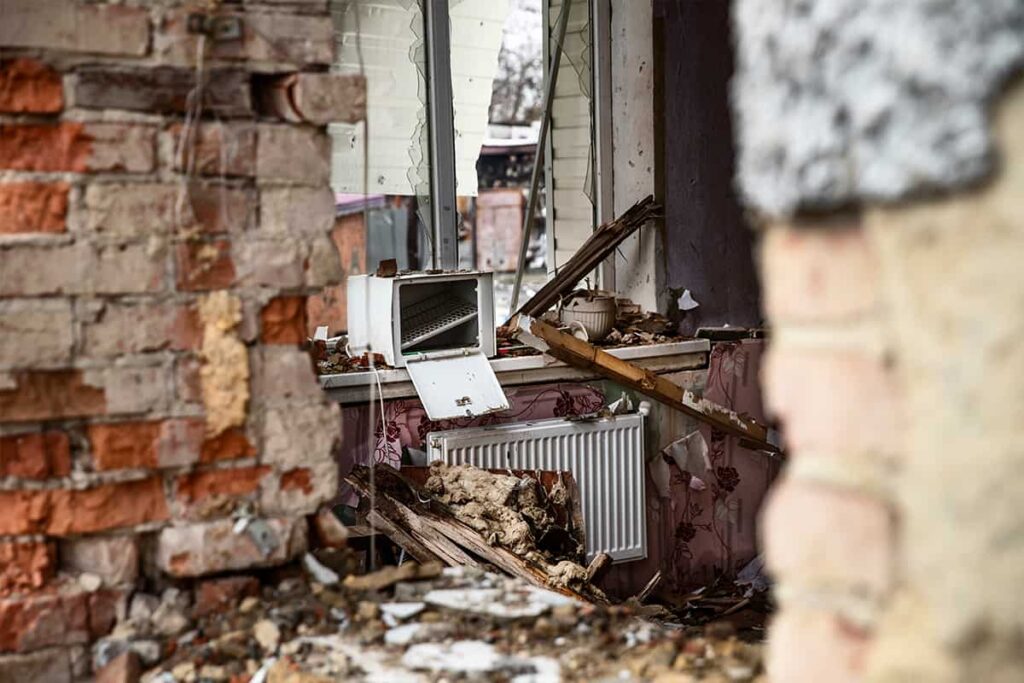
Earthquakes can cause major damage to people and structures. These damages vary depending on the intensity, duration and proximity of seismic waves to residential areas. Large earthquakes in particular can cause collapse of buildings, damage to infrastructure, landslides and tsunamis, posing major threats to human life.
- Preparation Before and After Earthquake
Since earthquakes cannot be predicted in advance, it is of great importance to take precautions and be prepared for natural disasters. Measures that can be taken before, during and after an earthquake are as follows:
Pre-Earthquake Preparation:
- Construction of buildings in accordance with earthquake regulations and elimination of deficiencies, if any.
- Arranging earthquake-resistant furniture in homes and workplaces and securing items securely.
- Prepare an emergency kit and put enough water, food, medicines, flashlights, whistles and other vital items in it.
- Organizing drills with family members and colleagues on what to do during and after an earthquake.
What to do during an earthquake:
- Not panicking and staying calm.
- Staying away from doors and windows, crouching next to sturdy objects and protecting the head and neck (cot, under a table, etc.).
- Not trying to go outside and staying away from balconies.
- Turning off gas, water and electricity valves.
Post Earthquake Recommendations:
- Trying to find a safe area as there may be aftershocks.
- Helping injured people and those trapped under debris.
- To act in accordance with the instructions of the authorities by using the emergency kit.
- Do not enter damaged structures and stay away from dangerous areas.
Earthquakes are natural disasters that pose great dangers to people and structures. Therefore, measures to be taken before, during and after earthquakes should be aimed at minimizing possible damages and losses. In addition, it is of great importance for the state and local governments to maintain the construction and infrastructure works in accordance with the earthquake regulations in order to reduce the earthquake hazard.