
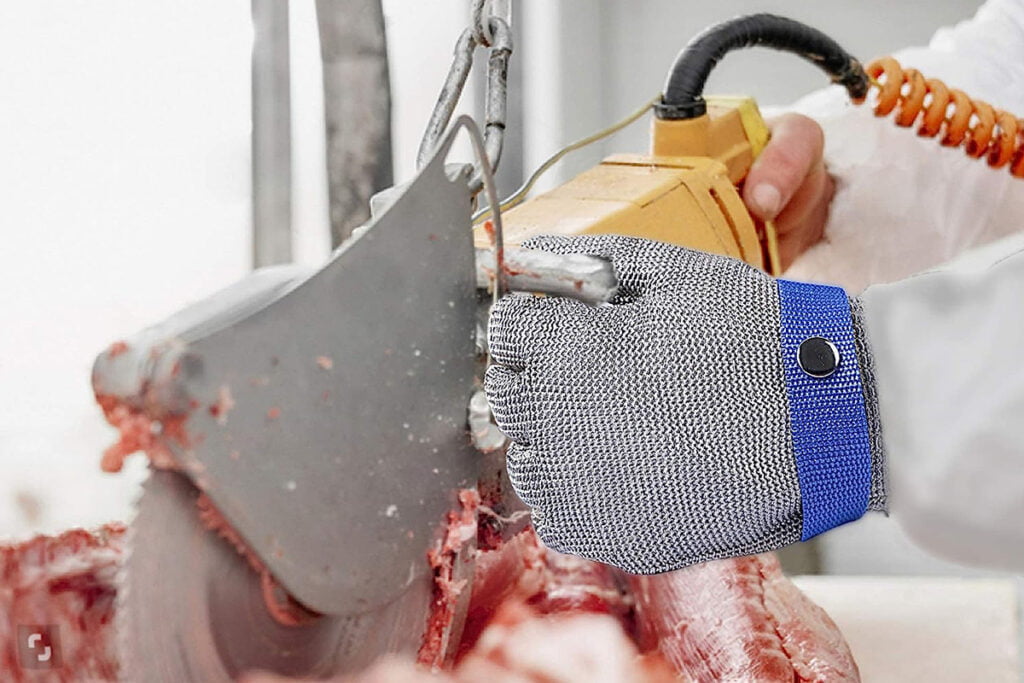
Eid al-Adha is an important time of sacrifice, which is of great importance in the Islamic world. However, one factor that cannot be ignored in this process is occupational health and safety. A healthy and safe sacrifice is of great importance not only for the animal, but also for the slaughterers and the environment.
Risks and Hazards
Sacrifice slaughter brings with it a number of health and safety risks. These include lack of proper techniques during slaughter, use of inappropriate equipment, zoonotic diseases and excessive fatigue.
- Cutting Techniques and Equipment Usage: Incorrect cutting techniques or the use of inappropriate equipment can cause serious injury.
- Zoonotic Diseases: Zoonotic diseases that can be transmitted from sacrificial animals to humans pose a health risk.
- Extreme Fatigue Slaughtering for long hours on Eid al-Adha can cause excessive fatigue and distraction, which can lead to accidents.
Precautions and Management Strategies
Various strategies should be implemented to minimize these risks and ensure occupational health and safety.
- Education and Awareness Raising: People who will slaughter the sacrifice should receive training on appropriate slaughter techniques, basic information about the animal, occupational health and safety.
- Appropriate Equipment: Appropriate and high quality equipment should be used for slaughtering, and this equipment should be checked regularly.
- Hygiene Standards: Regular cleaning of the slaughter area and equipment will prevent the spread of zoonotic diseases.
- Good Organization: Good organization of the cutting process will help reduce fatigue and stress.
Sacrifice slaughter is a process that requires care in terms of occupational health and safety. Therefore, it is important to follow the above-mentioned precautions to protect the health of both the slaughterers and the general public. Remember, health and safety is not only a necessity, but also a right and a responsibility.
Risk Assessment and Planning
Risk assessment is an important part of health and safety management in any workplace. During the slaughter process, it is important to assess all potential risks and identify appropriate measures to manage these risks. It is necessary to identify potential hazards in the slaughter area, assess the damage that these hazards may cause and implement appropriate measures to reduce or eliminate these risks.
Use of Personal Protective Equipment
The use of personal protective equipment (PPE) during slaughter is vital. PPE may include protective clothing, slaughter gloves, slaughter aprons, protective footwear and, if necessary, protective eyewear. PPE protects against injuries that may occur during slaughter and reduces the risk of transmission of zoonotic diseases.
Design and Maintenance of the Cutting Area
The slaughter area must be well designed and maintained to ensure that the slaughter process takes place safely and efficiently. This means cleaning and disinfecting the slaughter area regularly, preventing slippery floors, ensuring proper lighting and ventilation in the slaughter area and freeing exit routes for emergencies.
Emergency Plans
Like any workplace, slaughter sites should have emergency plans. These plans should outline what to do in the event of an injury, animal attack or other emergency, and this information should be communicated in advance to everyone involved in the slaughter process.
Occupational health and safety is vital for the proper and safe performance of rituals such as sacrifice. Ensuring occupational health and safety during the sacrifice process protects the health and safety of both those working during the slaughter and the general public. Therefore, measures such as regular training, the use of appropriate equipment and clothing, risk assessments and emergency plans ensure that the slaughter process is both safer and more effective.