
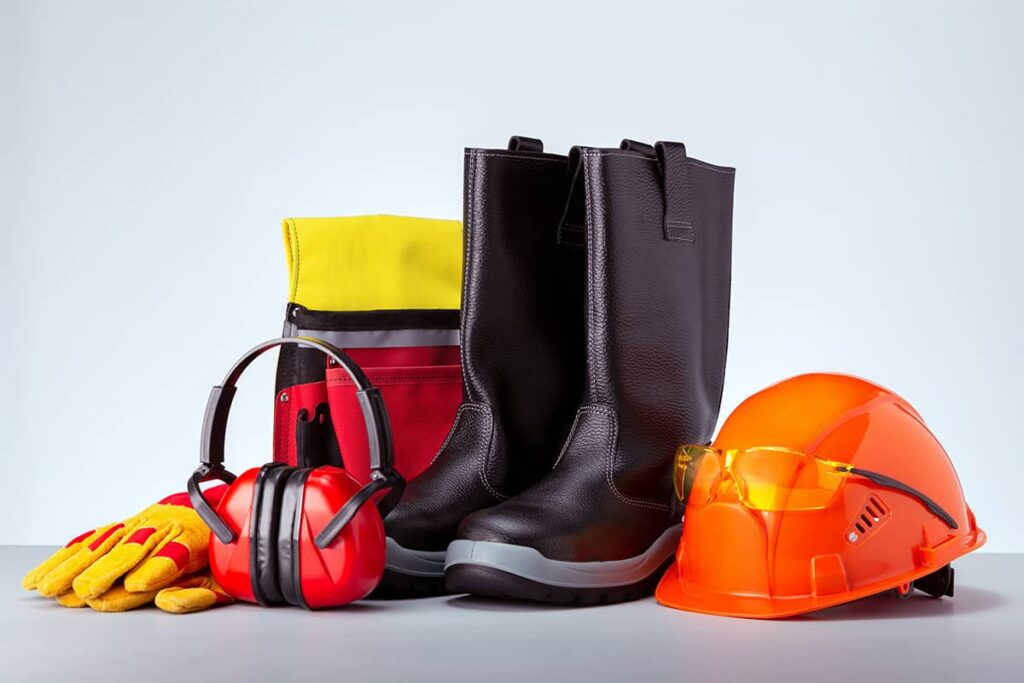
Personal Protective Equipment (PPE) refers to the equipment and tools used to protect the health and safety of workers in various business sectors. This equipment protects workers against various hazards, while also helping employers to fulfill their legal obligations.
Definition and Types of PPE
PPE includes equipment designed to protect workers exposed to various hazards. This can include safety glasses, gloves, masks, shoes, helmets, respiratory protection and more. The type of PPE used varies depending on the specific risks and hazards that workers face.
Reasons for Using PPE
The main reason for using PPE is to protect the safety and health of workers. There are a number of risks in the workplace, such as exposure to hazardous substances, falling heavy objects, excessive noise, temperature changes, biological and chemical risks. PPE provides protection against such risks and thus helps prevent injuries and health problems.
Importance of PPE
The importance of using PPE needs to be addressed both in terms of individual worker health and safety and overall workplace productivity and safety. PPE reduces the severity of accidents and injuries in the workplace and ensures business continuity. It also helps employers fulfill their legal obligations.
Risks that may arise when PPE is not used
Neglecting PPE can lead to serious and potentially life-threatening consequences. Risks such as chemical burns, respiratory problems, loss of sight and hearing, loss of limbs and other serious injuries can occur when PPE is not used. Employers should ensure that workers wear appropriate PPE to reduce these risks.
Responsibilities of Employers for PPE
Employers have an obligation to provide appropriate PPE to protect their employees against workplace hazards. Employers must also train workers in the correct use of PPE and ensure proper maintenance and inspection of the equipment.
Application Areas of Personal Protective Equipment
Personal protective equipment has a wide range of uses. Construction workers may wear helmets and steel-toed shoes to protect against the fall of heavy materials, while chemists and laboratory technicians may wear goggles, gloves and aprons to prevent exposure to hazardous chemicals. Healthcare workers wear masks, gloves and sometimes protective clothing to prevent the spread of infections. Those working with high temperatures may use specialized clothing and equipment to protect against heat and flames.
Maintenance and Control of Personal Protective Equipment
Proper care and control of personal protective equipment ensures its effectiveness and longevity. Before and after use, all PPE should be checked and cleaned. If there are any signs of damage or wear, the equipment should be replaced. It is also important that PPE is stored properly and replaced when necessary.
Legal Framework of Personal Protective Equipment
In many countries, the obligation of employers to provide workers with appropriate PPE is regulated by law. Employers must conduct risk assessments and provide appropriate PPE to ensure the safety of workers and comply with legal requirements. They must also train employees in the correct use and maintenance of PPE.
The Future of Personal Protective Equipment
The development of personal protective equipment is constantly advancing through the use of new technologies and materials. For example, lighter and more durable materials improve the comfort and mobility of workers. Furthermore, smart technologies can provide real-time information to the user and detect potential hazards earlier.
The use of personal protective equipment is an important part of workplace safety. The correct and continuous use of PPE protects the health and safety of workers and improves work efficiency and continuity. Employers and employees should understand the importance of PPE and use it properly. With the use of new technologies and materials, the effectiveness and user-friendliness of PPE will continue to increase.