
Air conditioning systems, which bring many conveniences of modern life, help protect us from the heat of summer or the cold of winter. However, prolonged exposure to air conditioning in workplaces, vehicles and homes brings with it some risks in terms of occupational health and safety. In this article, we will examine the effects of air conditioning and the measures that can be taken to minimize these risks.
1. Physiological Effects of Air Conditioning:
Air conditioning systems can affect our body's thermal balance. Prolonged exposure can lead to problems in regulating our body temperature.
Effects on Metabolism: The body's energy balance tries to protect against temperature changes. Prolonged exposure to air conditioning can slow down the metabolic rate.
Effects on the Respiratory System: Air conditioning systems can reduce air quality and humidity, causing the airways to dry out. This can trigger asthma or allergic reactions.
2. Psychological Effects of Air Conditioned Environments:
Concentration and Focus: An environment at an ideal temperature can increase individuals' focus. However, extremely cold or hot environments can impair individuals' concentration.
Stress and Mood: Extreme temperature changes can increase stress in individuals and have negative effects on mood.
3. Effects of Air Conditioning Use in the Workplace:
Work productivity is directly related to the quality of the working environment. An ideal environment can increase worker productivity, while poor air quality and extreme temperature changes can reduce productivity.
Sick Building Syndrome: The use of air conditioning combined with poor ventilation can lead to symptoms such as headaches, fatigue and respiratory problems.
Ergonomics and Comfort: Proper adjustment of air conditioning systems can improve worker comfort and reduce the risk of work-related injuries.
4. Recommendations and Precautions:
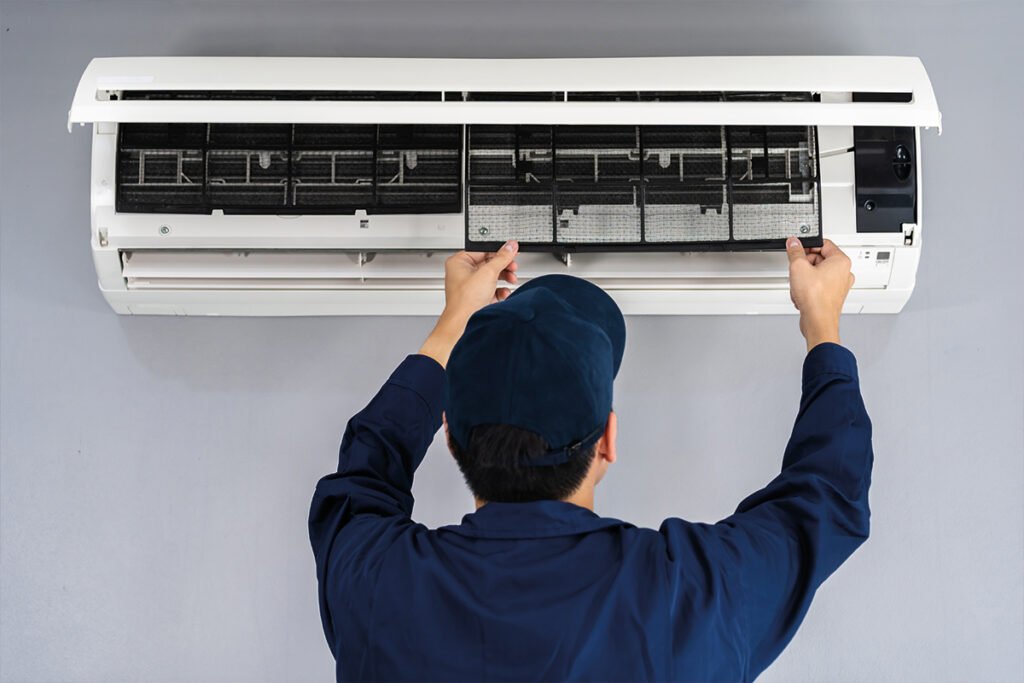
Regular Maintenance: Regular maintenance of air conditioning systems maintains air quality and reduces the risk of allergens.
Natural Ventilation: It is important to balance the use of air conditioning and encourage natural ventilation.
Education: Informing users about the effects and correct use of air conditioning systems can minimize risks.
Air conditioning systems are an integral part of modern life. However, being aware of the health and safety implications of these systems and taking the right precautions will help us protect both comfort and health.