
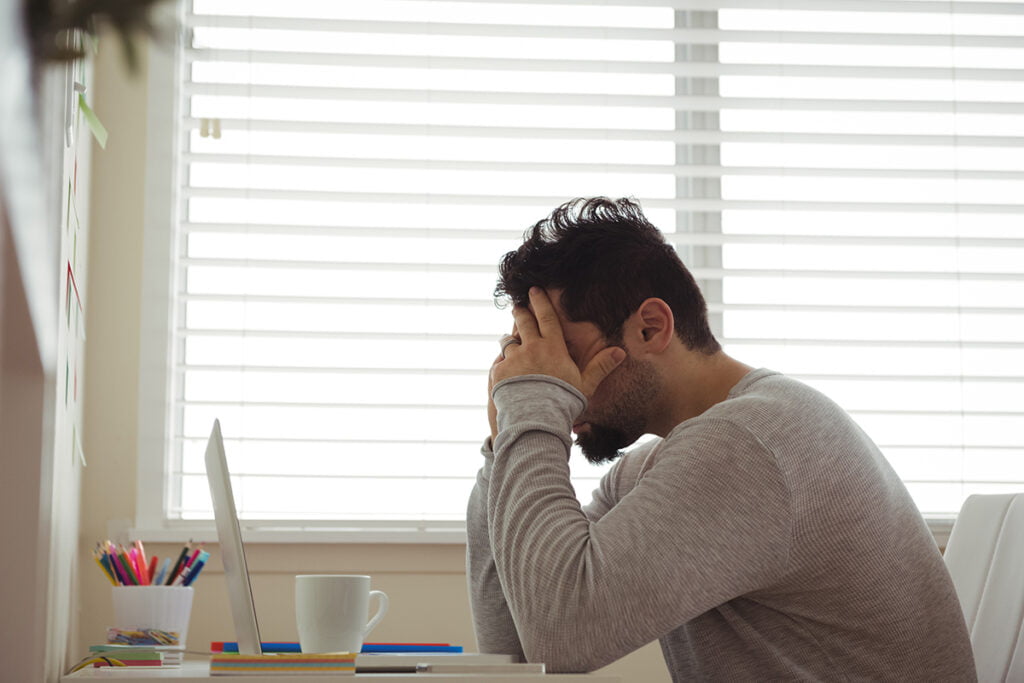
Depression is a common mood disorder that affects millions of people around the world today. It can negatively affect a person's feelings, thoughts, behavior and quality of life. In this article, we will look at the symptoms, causes and treatment of depression.
Symptoms
Depression can manifest itself in a variety of symptoms. The most common symptoms of depression are:
- Constant feelings of sadness, anxiety or emptiness
- Loss of interest and lack of enjoyment
- Fatigue and lack of energy
- Sleep disorders (inability to sleep, oversleeping or insomnia)
- Changes in appetite and weight
- Difficulty concentrating and making decisions
- Feelings of guilt, worthlessness or hopelessness
- Irritability and anger
- Physical aches and pains
- Suicidal thoughts or attempts
Causes
The causes of depression are complex and can be influenced by different factors in each individual. The main factors that play a role in the development of depression are:
- Genetics: Individuals with a family history of depression may be more prone to depression.
- Biochemical: Chemical imbalances in the brain may play a role in the development of depression.
- Hormonal Hormonal imbalances and age-related hormonal changes can also increase the risk of depression.
- Environmental: Stress, trauma and life events (unemployment, separation, bereavement) can trigger depression.
- Personality: Personality traits such as low self-esteem, perfectionism and pessimism can increase the risk of depression.
Treatment Methods
Pharmacological and psychotherapeutic methods are usually used to treat depression:
- Medication: Antidepressants are prescribed to help relieve the symptoms of depression. These medications have a positive effect on mood by regulating chemical imbalances in the brain.
- Psychotherapy Psychotherapy methods such as cognitive behavioral therapy (CBT), person-centered therapy, and psychodynamic therapy can be effective for dealing with depression. These therapies help to overcome depression by changing an individual's thoughts, feelings and behaviors.
- Lifestyle changes: Exercise, healthy eating, sleep patterns and improving social relationships can all contribute to the treatment of depression. Stress management and relaxation techniques can also play an important role.
- Alternative and complementary therapies: Alternative therapies such as acupuncture, massage therapy, meditation and herbal supplements can help relieve symptoms of depression in some individuals. However, the efficacy and safety of these methods are not always certain, so it is advisable to discuss them with a health professional.
- Electroconvulsive therapy (ECT) and transcranial magnetic stimulation (TMS): In severe and treatment-resistant cases of depression, brain stimulation methods can be used. ECT and TMS work to reduce symptoms of depression by regulating electrical or magnetic activity in specific brain regions.
Depression is a serious mood disorder that reduces quality of life. Its symptoms, causes and treatment methods are complex and may differ for each individual. For effective treatment, it is important that people struggling with depression seek professional help and adhere to the recommended treatment plan. Although depression can be difficult to overcome, it is possible with the right treatment and support.