
 Articles
UV Exposure in the Workplace: Occupational Risks and Protection Measures
As well as being an indispensable source of energy for sustainable living, solar energy poses serious occupational risks, particularly for those working outdoors
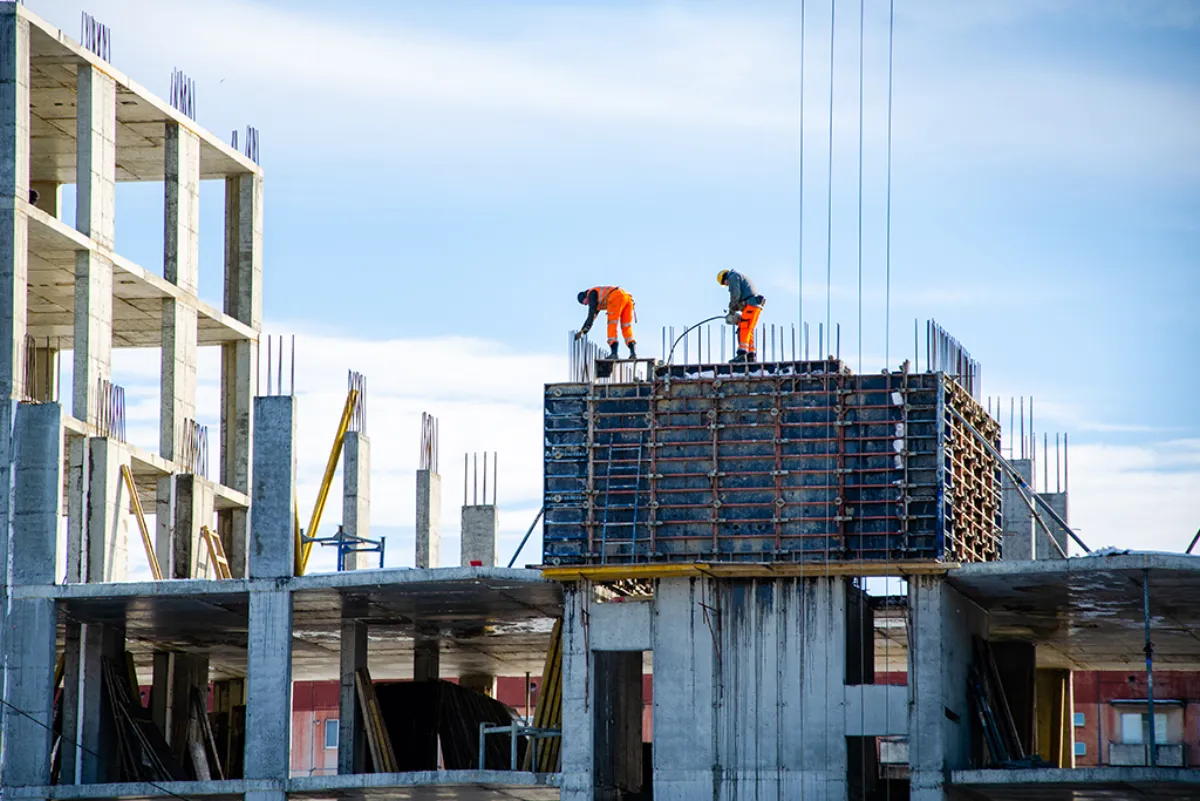
One of the most dangerous phrases—which leads to safety measures being overlooked in the workplace and is often uttered just before major disasters—is this well-known expression, which reflects a reliance on past good fortune. Unsafe behaviours repeated daily in the workplace, yet which do not result in accidents, gradually come to be perceived by staff and managers as part of a completely safe process. However, the fact that no adverse events have occurred to date does not mean that the existing risks have disappeared. Every accident that has not occurred is merely a danger that has been narrowly avoided by chance and is the clearest evidence that the risk continues to lurk. This major misconception ranks among the most destructive threats that can fundamentally undermine an organisation’s occupational health and safety culture.
The Illusion of Safety and Risk Blindness
Human psychology tends to normalise situations to which one is constantly exposed without suffering harm. A worker who performs the same risky manoeuvre every day on a production line, at a construction site or in a chemical plant builds up a mental illusion of safety when they are not injured as a result of this action. When unsafe behaviours repeated day in, day out do not lead to an accident, a false belief gradually emerges that these actions are safe. This phenomenon is known as ‘risk blindness’ in industrial psychology. The worker begins to ignore the danger, regards protective equipment as a burden and skips safety procedures in order to speed up processes. The presence of the danger has not changed, but the perception of the danger has become dulled. This perceptual fallacy is ultimately the most fundamental factor paving the way for irreversible workplace accidents.
The Overlooked Warnings of Near-Miss Incidents
In the field of occupational health and safety, incidents that do not result in accidents but have the potential to cause significant harm are the most important indicators of the system’s weaknesses. Almost all major workplace accidents occur as a result of the accumulation of near-miss incidents that have occurred repeatedly but were previously ignored. In workplaces where the mindset is ‘nothing has happened so far’, such warning incidents are generally not reported and are swept under the carpet. However, scientific approaches and expert assessments clearly demonstrate, in accordance with the accident pyramid theory, that a large number of near-miss incidents will eventually result in a serious injury or fatal accident. For this reason, these incidents – which could also be termed ‘invisible accidents’ – are, in fact, the final, rectifiable warnings issued to both employers and employees.
The Psychological Dimension of Normalised Hazards in the Workplace
The normalisation of hazards is not merely an individual error, but also an issue of organisational culture. If the bending of safety rules is tolerated in a workplace, this creates normative pressure on other employees as well. An employee who wishes to comply with the rules may be tempted to conform to the group’s risky behaviour, thinking, ‘Everyone else is doing it and nothing happens’. Over time, unsafe working practices become unwritten rules. This psychological dimension can only be overcome by building a resolute and uncompromising safety culture. The joint efforts of relevant health organisations and occupational safety professionals play a critical role in correcting this distorted perception and reinforcing correct safety behaviours.
Negligence within the Framework of Legislation and Employer Obligations
Under Turkish occupational health and safety legislation, employers are obliged to identify risks in the workplace in advance and to eliminate or minimise these risks at source. Risk assessment processes must be based on a scientific analysis of potential hazards, rather than on whether accidents have occurred in the past. Failing to take precautions by relying solely on past periods of good fortune is considered a clear case of negligence from a legal perspective. The relevant legislation mandates a proactive approach; that is, it requires measures to be taken whilst there is a risk of an accident, rather than after an accident has occurred. In the context of employers’ obligations, the failure to implement monitoring mechanisms and the adoption of a production philosophy focused solely on ensuring operations run smoothly constitute a breach of both legal and moral responsibilities.
Hidden Dangers and Long-Term Effects of Occupational Diseases
The disregard for hazards is not limited to sudden workplace accidents; the same dangerous scenario applies to occupational diseases that develop over time and manifest their effects years later. An ergonomically unsuitable working position, a poorly ventilated environment or chronic exposure to chemicals may not lead to any obvious health problems in the early days. However, human anatomy and physiology eventually become unable to withstand these repetitive, debilitating effects. Detailed examinations and regular screenings carried out by an occupational health doctor can reveal damage that is not visible on the surface but which begins at the cellular or skeletal level. The long-term accumulation of physical or chemical risk factors must be prevented before it leads to irreversible health damage.
The Role of a Proactive Approach in Preventing Accidents
Whilst traditional and reactive accident management focuses on investigating causes and taking action after an incident has occurred, modern safety approaches require action to be taken before a hazard turns into an adverse event. A proactive approach eliminates the complacency of ‘nothing has happened’ and centres on the question: ‘An accident could happen at any moment – how prepared are our systems?’ Under this approach, site inspections, ergonomic analyses, occupational hygiene measurements and risk assessments are dynamic processes that are constantly updated. Being prepared for unexpected scenarios strengthens organisations’ reflexes in times of crisis. Regular maintenance of engineering controls, prioritising collective protection methods and strict monitoring of the use of personal protective equipment are integral parts of a proactive culture.
The Importance of Continuous Training and Awareness Initiatives
A sustainable safety culture is only possible through continuous and high-quality training activities. The process, which begins with induction training, must be repeated periodically to ensure that employees learn about specific workplace hazards, adapt to changing working conditions and keep their safety awareness fresh. Instead of rote-learning-based training, interactive training models that analyse real-life incidents on site, near-misses and normalised unsafe behaviours should be adopted. The active participation of managers and employer representatives in these training processes ensures that the organisation’s commitment is properly conveyed to employees. The most powerful weapon against risk blindness is a workforce that is conscious and constantly aware of potential hazards.
The normalisation of hazards in the workplace and the establishment of a safety culture based on chance represent the greatest flaw in the system. It must not be forgotten that behaviours which have been mistakenly regarded as safe for years and have not resulted in accidents are, in fact, a crisis waiting to happen. The only way to prevent workplace accidents and occupational diseases is to rely not on misleading past experiences, but on scientific risk analysis methods, regulatory requirements and continuous monitoring mechanisms. An accident that has not yet occurred does not mean the risk has disappeared; on the contrary, it represents a valuable window of opportunity to take preventative action. Making the most efficient use of this window of opportunity is not merely a legal obligation, but the most fundamental expression of respect for human life.
ArticlesAs well as being an indispensable source of energy for sustainable living, solar energy poses serious occupational risks, particularly for those working outdoors
 Articles
Long working hours spent in enclosed office environments make the quality of the air we breathe and the thermal comfort of the environment matters of vital importance.
 Articles
The intense competition, expectations of speed and the need to be constantly available brought about by the modern business world mean that employees’ professional and personal lives
Our team will map out what your workplace needs, based on its hazard class and number of employees.