 General
Why Do We Get Ill During the Change of Seasons?
Why do people fall ill during the change of seasons? Ways to protect against the flu and the common cold at work during the winter months, plus a checklist for employers.
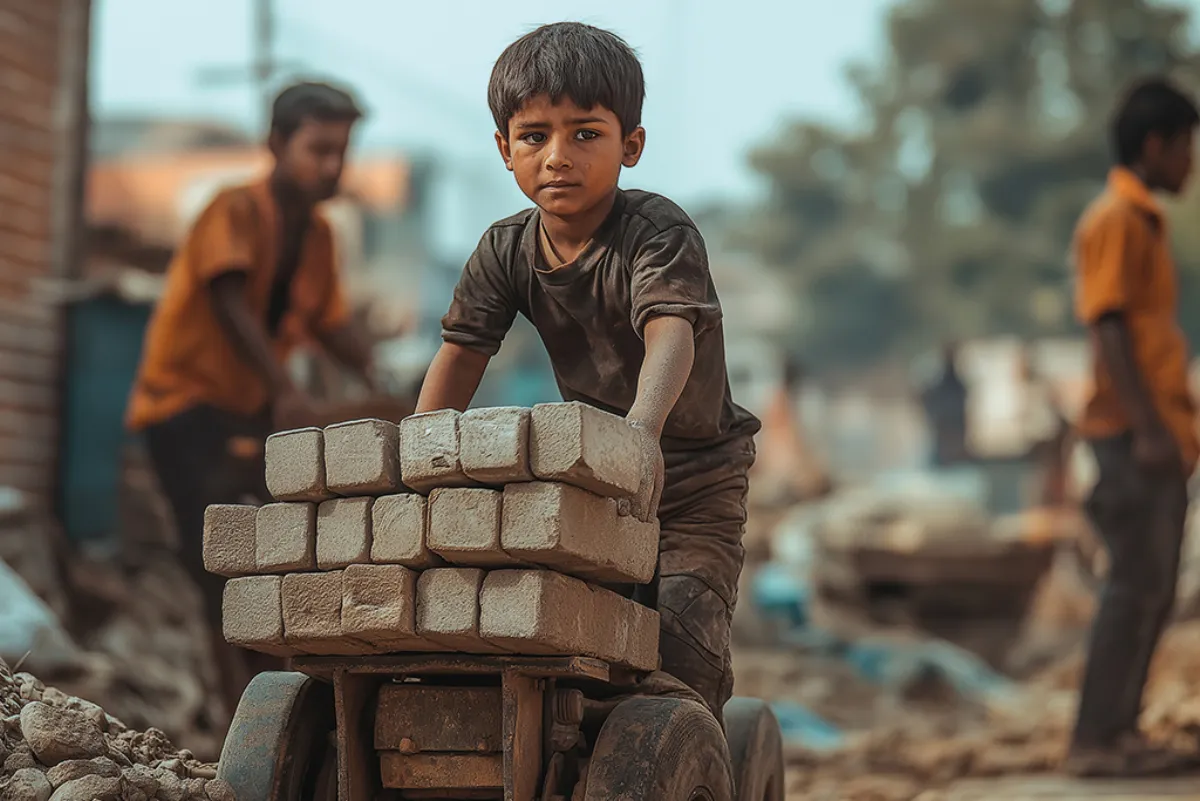
Child labour remains one of the most significant unresolved issues in today’s world of work, resulting not only from socio-economic inequalities but also from inadequate supervision, social indifference and a lack of awareness amongst employers. According to the International Labour Organisation, more than 160 million children worldwide are engaged in economic activities. In Turkey, whilst the exact figure is unclear, the scale of the problem is particularly striking in sectors such as seasonal agriculture, construction and industry.
From an occupational health and safety perspective, child labour represents a far more complex and dangerous form of risk. This article explains why child labour requires special attention within the framework of occupational health and safety, by assessing it in conjunction with legal regulations, physiological and psychosocial risk factors.
The inclusion of children in the labour market is in direct conflict with their anatomical development processes. Individuals whose musculoskeletal system, respiratory functions and neurological development are not yet fully formed face not only short-term workplace accidents but also irreversible occupational health problems in the long term when exposed to the same working environments as adults.
Furthermore, children’s perception of danger and their responses to crisis situations vary according to their age, and their capacity to respond to emergencies is considerably low. This situation leads to serious security vulnerabilities in terms of both individual and organisational occupational health and safety (OHS) policies.
One of the most fundamental responsibilities imposed on employers under the Occupational Health and Safety Act No. 6331 is to carry out risk assessments to identify in advance the hazards to which workers may be exposed and to take the necessary precautions. However, it is observed that these analyses are predominantly carried out with adult workers in mind, and that sufficient tailored measures are not taken when child labour is involved.
In workplaces where child workers are employed, risk analysis must be subject to a separate assessment process that takes into account the physiological and psychosocial characteristics of children. All parameters – such as the amount of load they can carry, the level of absorption of chemical substances to which they may be exposed, and their sensitivity to environmental factors such as temperature and humidity – must be redefined.
The most fundamental regulations concerning child labour in Turkey are set out in Article 71 of the Labour Act No. 4857 and the Regulation on the Procedures and Principles for the Employment of Child and Young Workers. Accordingly;
However, in practice, the effectiveness of these regulations varies significantly depending on the sector, region and frequency of inspections. Informal employment leads to children being classified as ‘invisible workers’ in the agricultural and small-scale manufacturing sectors. This results in work-related accidents either not being reported at all or not being recorded in official records under the ‘child labourer’ category.
Occupational safety and health (OSH) professionals, workplace doctors and other healthcare staff should not only act as inspectors in the fight against child labour, but also take on an educational and advisory role. OSH professionals must be aware that employing child labour in the workplace constitutes a direct breach of health and safety regulations and must provide employers with the necessary information on this matter.
Furthermore, when providing services in sectors where there is a risk of child labour (construction, textiles, food production, recycling, etc.), the age profile of the workforce at the workplace must be analysed in detail; in-house awareness training and internal audit mechanisms on this issue should be supported.
At Sürmen OSGB, we regard not only compliance with legal regulations but also the establishment of an occupational health and safety culture grounded in ethical values as one of our primary objectives.
Child labour is not merely an employment issue; it is a multi-faceted problem that threatens social conscience, public health and safe working conditions in the workplace. From an occupational health and safety perspective, the protection of child workers is of critical importance not only for their own lives but also for the safety of other workers in the workplace and for organisational sustainability.
As Sürmen OSGB, we will continue to work with all our might to raise awareness of this issue; we will continue to contribute to a future where children are not forced to work and have the right to education and play.
GeneralWhy do people fall ill during the change of seasons? Ways to protect against the flu and the common cold at work during the winter months, plus a checklist for employers.
 General
The physical and mental challenges encountered amidst the fast-paced nature of working life are key factors that directly affect employees’ general health,
 General
What does the scope of OSGB services entail, why is it important, and which areas does it cover? Sürmen OSGB offers workplace-specific health and safety solutions and guidance on legal compliance right here.
Our team will map out what your workplace needs, based on its hazard class and number of employees.