
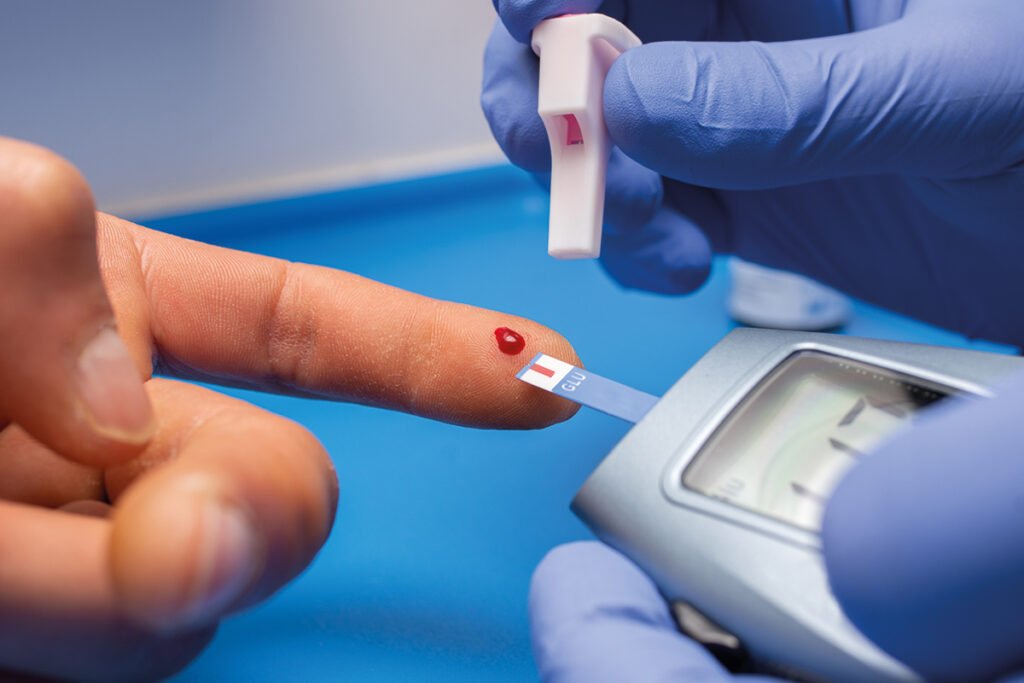
Blood glucose is the amount of glucose in your blood. Glucose is the main fuel your cells use to produce energy. Our bodies get this energy from food, especially carbohydrates. It is the hormone insulin that helps transport this glucose into the cells. However, sometimes blood glucose levels can become unstable due to various factors, which can lead to health risks.
Why does blood sugar drop?
Hypoglycemia refers to a condition in which blood sugar is abnormally low. Many factors can lead to this condition:
Excess Insulin or Diabetes Medications: For example, if a diabetic patient accidentally injects too high a dose of insulin, their blood sugar is likely to drop dangerously low. Likewise, oral diabetes medicines can have the same effect if taken in the wrong dose.
Malnutrition: Simple mistakes, such as leaving lunch late or skipping it, can lead to low blood sugar, especially in people with diabetes. For example, a business person who has had a busy day may show signs of hypoglycemia if they skip lunch.
Excessive Physical Activity: Think of an athlete running a marathon. If he or she does not take in enough carbohydrates, such intense activity can quickly deplete blood sugar.
Alcohol Consumption: A long night out with a group of friends, especially excessive alcohol intake without adequate meals, can inhibit the liver's production of glucose. As a result, the individual may show signs of hypoglycemia in the morning.
What to do when blood sugar drops?
If an individual shows signs of hypoglycemia, first of all, it is necessary to intervene quickly without panic:
Rapidly Digestible Sugar Intake: If you notice that a friend is dizzy and shaking, you can try to raise their blood sugar quickly by giving them a juice box or a handful of sweets that you have right next to you.
Control and Monitoring: If symptoms persist despite initial intervention, it may be necessary to reintroduce rapidly digestible sugar after 15 minutes.
A Balanced Meal: Especially if a person has not eaten for a long time, they should consume a balanced meal with complex carbohydrates, protein and fat to stabilize blood sugar.
Blood sugar instability can affect an individual's quality of life and can be dangerous. It is therefore vital that both people with diabetes and the general public are aware of this condition and know how to intervene.