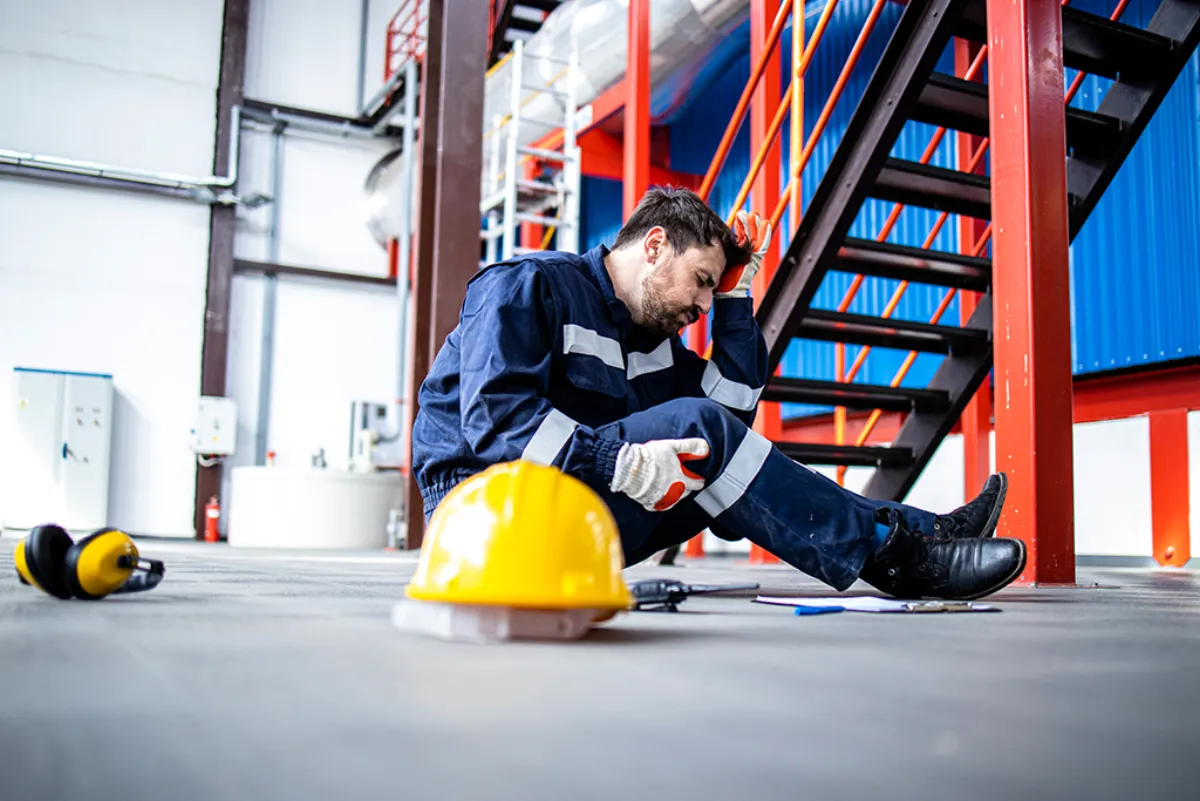
Industrial production facilities, logistics warehouses and large-scale manufacturing plants are complex structures where intensive energy use, machinery traffic, the presence of chemical substances and the human factor are all intertwined. In these environments, the risk of fire stems not only from the nature of the production lines themselves, but also from the level of occupational health and safety discipline, maintenance culture and safety awareness.
At Sürmen OSGB, our experience has taught us that in these environments, where even a single spark can lead to significant losses, fire safety is not a matter of choice but an essential component of business sustainability.
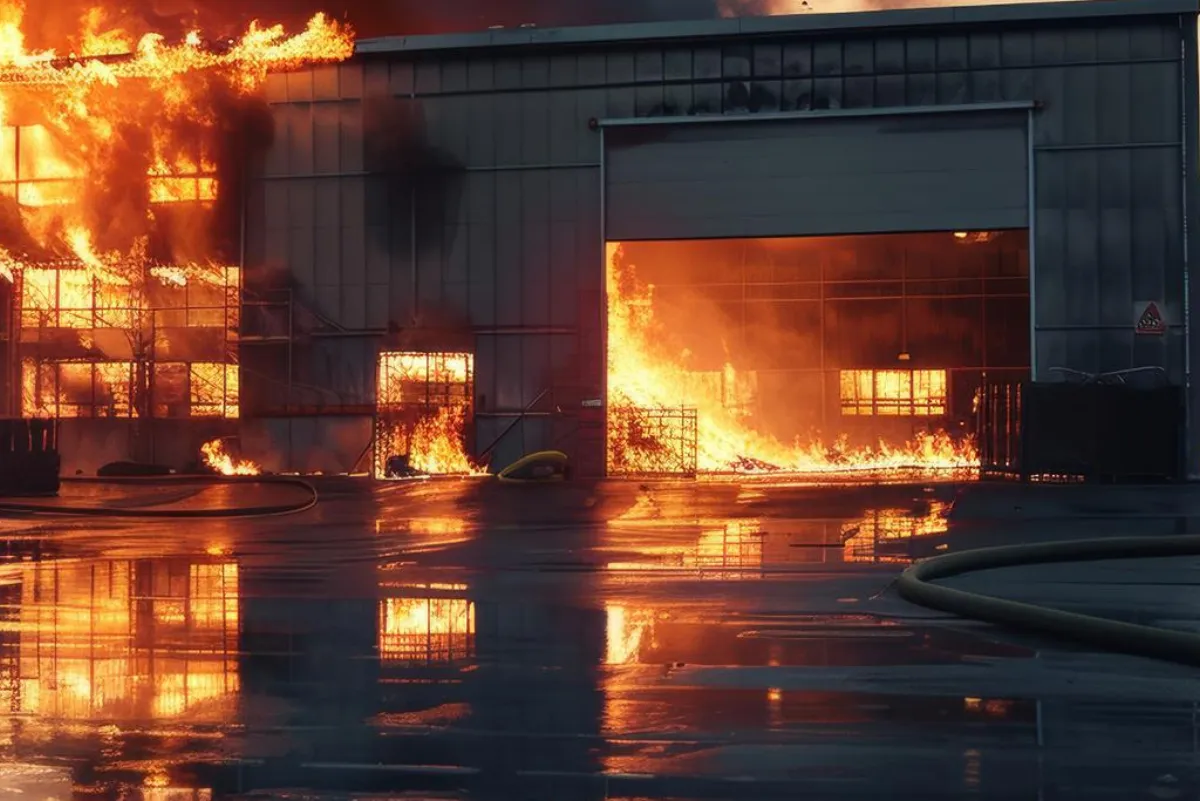
Fires do not result in material damage alone; they lead to consequences such as production stoppages, supply chain disruptions, environmental impacts and, most importantly, the endangerment of human life. For this reason, factory safety should be measured not merely by the presence of fire-fighting equipment, but by a ‘culture of prevention’ established through the involvement of health and safety specialists and staff.
The Nature of Fire Risks and Invisible Threats
The risk of fire in manufacturing facilities and warehouses stems from a wide variety of sources. Overloaded electrical panels, poorly insulated cables or ageing machinery are all potential threats that could spark the first flame of a fire. As Sürmen Occupational Safety experts frequently observe during site inspections, solvents, paints, thinners and flammable gases pose a significant risk of explosion when stored incorrectly.
Overheating of mechanical equipment or sparks flying during welding operations increase the risks. However, more often than not, the real danger lies in human negligence. Smoking, blocking emergency exits or the incorrect intervention of staff who have not received basic health and safety training can pave the way for a minor oversight to turn into a disaster.
Regulatory Guidance and the Role of Occupational Health and Safety Consultancy Firms
The framework for fire safety in Turkey is defined by the Occupational Health and Safety Act No. 6331, the Regulation on the Protection of Buildings against Fire, and relevant technical standards. This legislation regulates not only the physical safety of premises but also the occupational health and safety certification processes and the chain of responsibility.
Employers are obliged to carry out risk assessments and implement preventive measures in collaboration with professional OSGB firms. In this context:
The installation of fire detection and suppression systems,
The formation of fire-fighting teams,
The preparation of emergency plans are mandatory.
Sürmen OSGB ensures that businesses manage these legal processes comprehensively, guiding them towards the creation of a living safety culture—not merely one on paper.
Fire Safety Systems and Technological Transformation
Modern manufacturing plants and warehouses no longer rely solely on traditional methods. Technology has transformed risk management into a proactive process. Automatic sprinkler systems, smoke detectors and smart alarm networks enable early intervention.
Particularly in facilities located in heavily industrialised areas such as Tuzla, Esenyurt and Başakşehir, passive safety measures are also of great importance. Fire-resistant walls, smoke extraction systems and appropriate layout plans are of vital importance. IoT-based sensor networks used in new-generation facilities can analyse temperature rises and alert occupational safety specialists and management to potential hazards at an early stage.
Training, Drills and the Role of the Human Factor
No technological system can completely eliminate the risk posed by unconscious human behaviour. Therefore, the strongest link in fire safety is staff who have received occupational health and safety training and possess a high level of awareness.
Through the basic occupational health and safety training and specialised fire safety training provided by Sürmen OSGB, every employee:
recognise the hazards in their workplace,
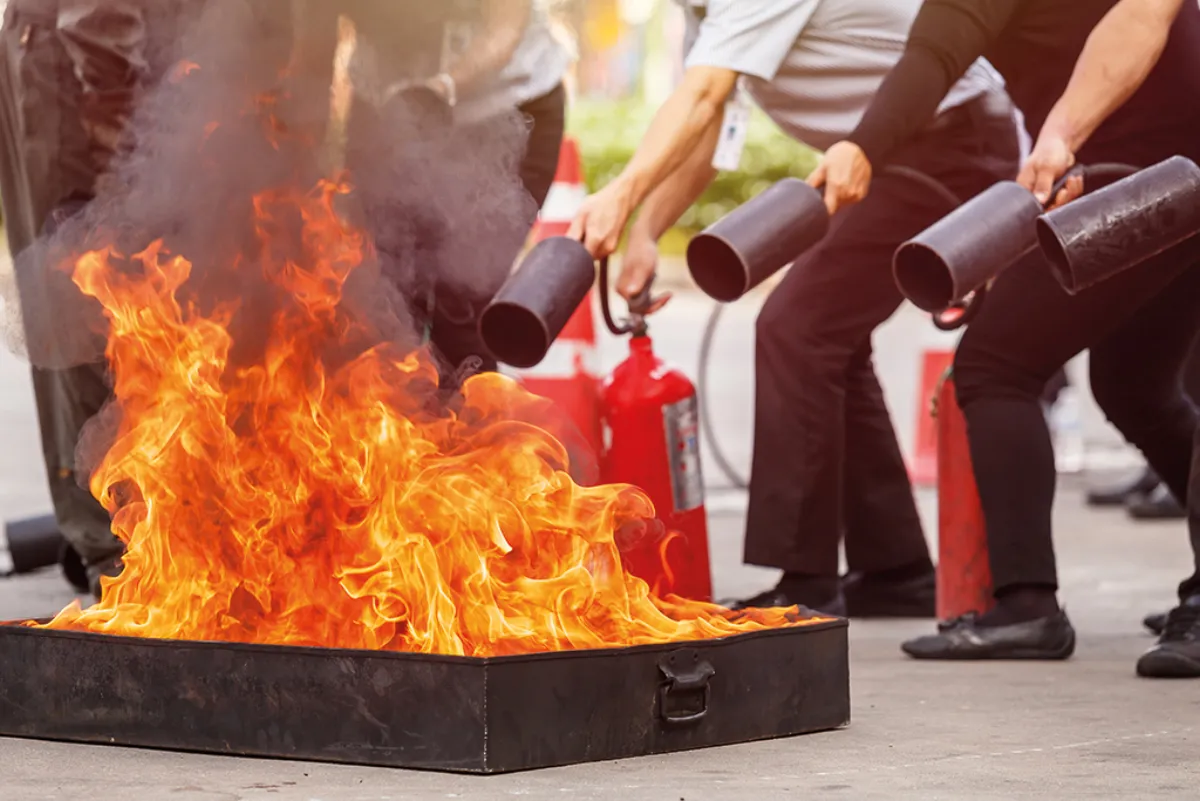
learn the types of fire extinguishers and how to use them,
Knows the evacuation route to follow when an alarm sounds.
Drills are not merely a legal requirement; they are a test of the organisation’s reaction time. The evaluations carried out following drills form the basis of a continuous improvement approach.
Dynamics Specific to Warehouses and Production Areas
Fire safety in warehouses requires complex planning due to the variety of materials. Flammable and combustible materials must be segregated, stored in leak-proof containers, and chemical risks assessed under the supervision of an occupational health practitioner.
In manufacturing plants, moving machinery systems and energy-intensive processes take centre stage. Particularly at production facilities along the Dudullu, İkitelli and Gebze corridor, the regular maintenance of machinery maintenance records and the accessibility of emergency stop buttons are priority control measures under Sürmen Occupational Safety standards.
Emergency Evacuation Procedures and In-House Teams
Fire safety also encompasses correct evacuation procedures during a fire and rapid access to mobile medical services. The planning of emergency exit routes is a strategic matter that guides employee behaviour. Ensuring doors are easily accessible and directional signage is clearly visible prevents confusion during moments of panic.
In-house emergency response teams are the brain and muscle of the system. These teams, which undertake firefighting, evacuation and first aid duties, are the on-site representatives of the occupational health and safety culture. In the event of a potential injury, the response from a mobile medical unit or first-aid teams is a race against the clock. The training and coordination of these teams are meticulously planned by Sürmen OSGB experts.
A Strong Service Network Across Istanbul
Fire safety is not just about equipment; it is a culture. Sürmen OSGB offers bespoke solutions for industrial and storage facilities on both sides of the Bosphorus in Istanbul.
The main areas we serve and our solutions:
European Side: Fire risk assessments and health and safety training in all industrial areas, including, in particular, Arnavutköy, Avcılar, Bağcılar, Başakşehir, Beylikdüzü, Esenyurt, Küçükçekmece, Silivri and Zeytinburnu.
Asian Side: Professional partnership for companies seeking warehouse security and occupational health and safety services in Ataşehir, Dudullu, Kartal, Maltepe, Pendik, Sancaktepe, Sultanbeyli, Tuzla, Ümraniye and surrounding districts.
Central Locations: Fire safety consultancy for offices and business centres in districts with a high concentration of business centres, such as Beşiktaş, Şişli, Kadıköy, Beyoğlu and Kağıthane.
To raise your business’s fire safety standards, ensure full compliance with occupational health and safety legislation, and meet your basic OHS training needs, please contact Sürmen OSGB. It is important to remember that the most effective way to tackle a fire is to ensure it never starts in the first place.
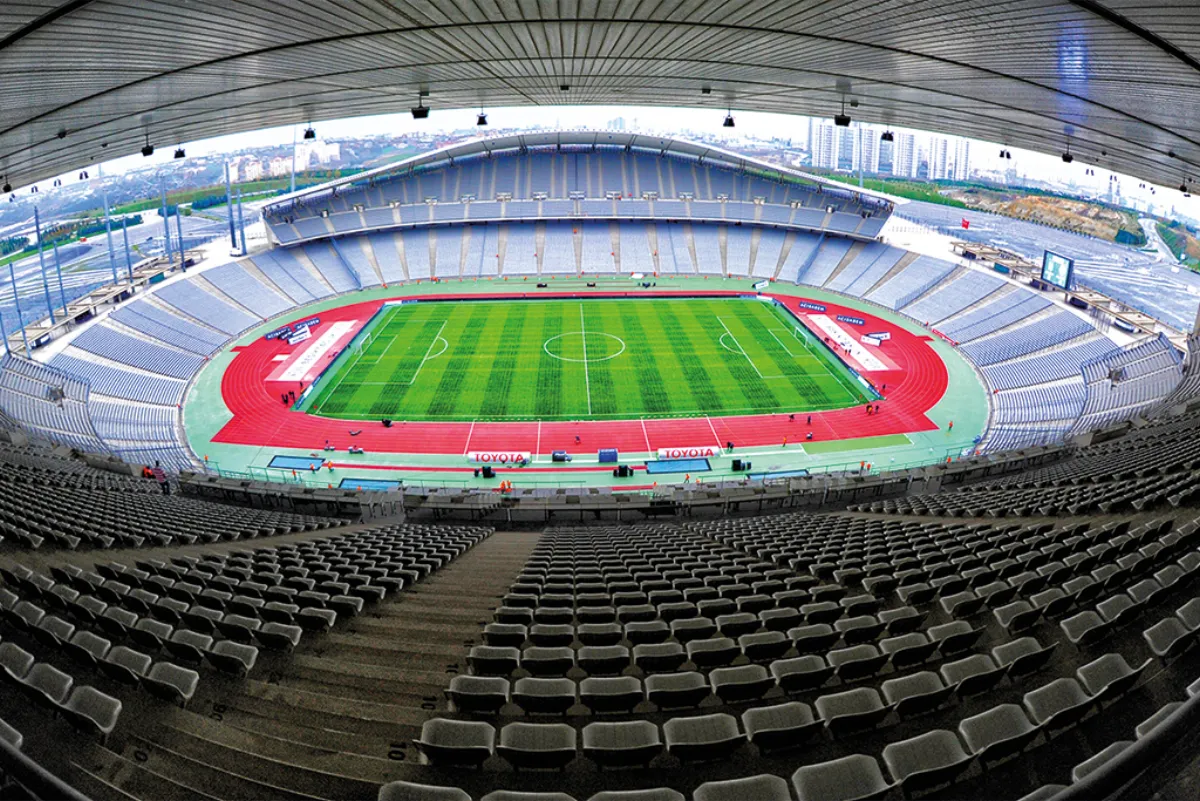
Sürmen OSGB offers professional health and safety solutions, drawing on its experience from the 2023 UEFA Champions League Final and with Kasımpaşa SK.
What is norovirus, how is it spread, and how long does it last? Find out about the symptoms, the hygiene rules to prevent an outbreak in the canteen, and what employers need to do.
One of the most insidious problems encountered in the business world is that, even though the risks are right in front of us, they gradually become invisible over time. Constantly in the same environment
Read more
What should your workplace do about this?
Our team will map out what your workplace needs, based on its hazard class and number of employees.
 Occupational Health and Safety