 Articles
UV Exposure in the Workplace: Occupational Risks and Protection Measures
As well as being an indispensable source of energy for sustainable living, solar energy poses serious occupational risks, particularly for those working outdoors

Occupational health and safety in restaurants during the summer months is a critical issue for minimising the adverse effects of rising temperatures and a hectic pace of work on staff. Rising temperatures during the summer months increase the risk of staff working in kitchen and service areas being exposed to heat stress, fatigue and various health problems. At the same time, increased customer numbers accelerate the pace of work, thereby raising the risk of workplace accidents.
Sürmen OSGB helps you overcome these challenges with its occupational health and safety solutions developed specifically for the restaurant sector. Through services such as risk assessment, site inspections and staff training, it ensures that occupational health and safety standards are fully implemented in restaurants during the summer months.
This article will examine in detail the key occupational health and safety risks in restaurants during the summer months and the necessary precautions to be taken.
If you are looking for an OSGB firm, you can contact Sürmen OSGB to receive detailed information.
If you are looking for OSGB firms in Istanbul, contact Sürmen OSGB straight away.
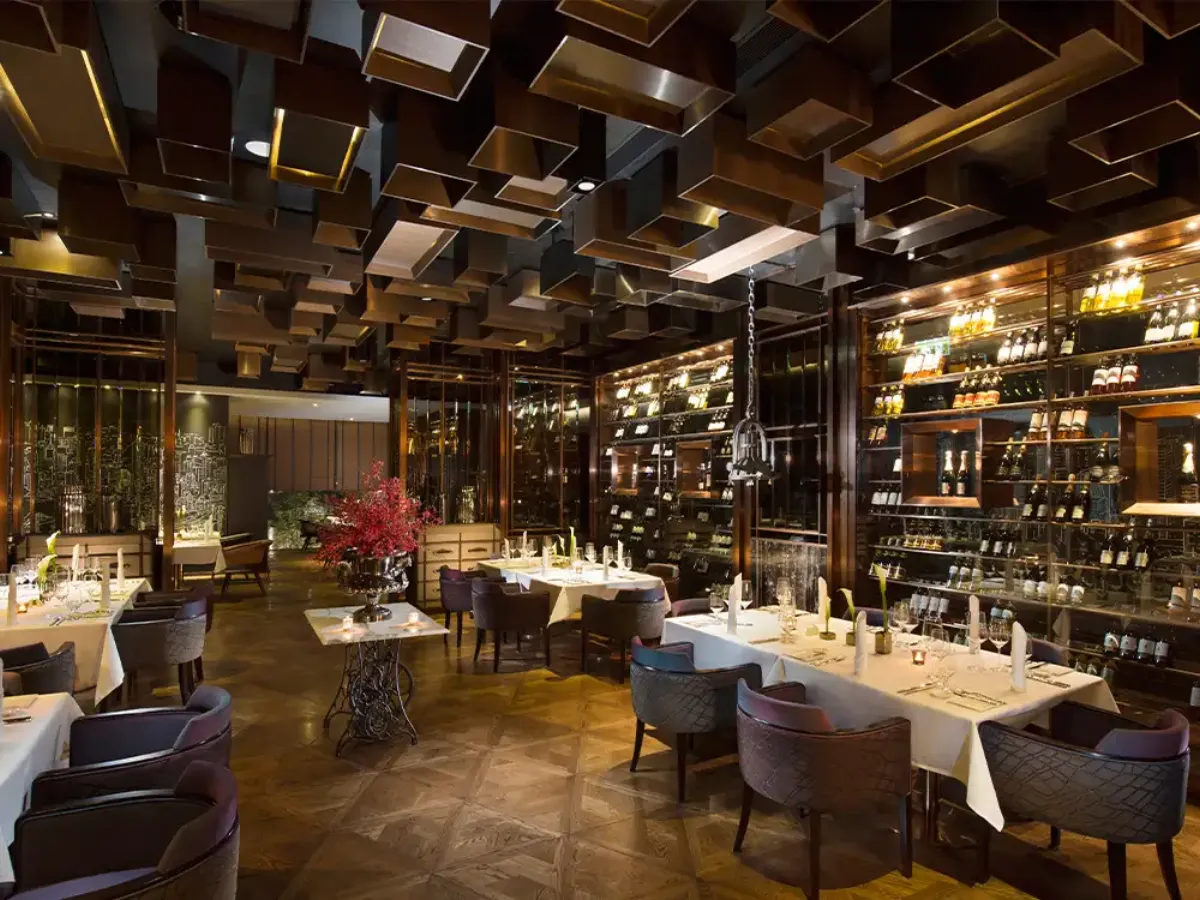
One of the most significant risks in the context of occupational health and safety in restaurants during the summer months is heat stress and heatstroke caused by high temperatures. Staff working in the kitchen, in particular, may experience serious health problems when exposed to a hot environment for long hours. This situation can not only reduce work productivity but also pave the way for workplace accidents.
Sürmen OSGB offers solutions regarding appropriate working hours and regular breaks to protect employees against heat stress.
Restaurant staff working at a fast pace face a risk of slipping and falling on wet floors, particularly during the summer months due to perspiration. Furthermore, the use of sharp tools and the need to move quickly increase the risk of workplace accidents.
Sürmen OSGB helps prevent these risks through the installation of non-slip flooring, the use of ergonomic equipment and health and safety training.
Rising temperatures during the summer months also pose a threat to food hygiene and safety. If appropriate conditions are not maintained, foodborne infections threaten staff health and damage the business’s reputation.
Sürmen OSGB helps to minimise these risks by providing hygiene training and regular inspections for restaurants.
Increased customer numbers during the summer season cause stress and fatigue amongst staff. This situation can lead to both physical and psychological health problems.
Sürmen OSGB supports staff motivation and health through stress management and occupational health programmes.
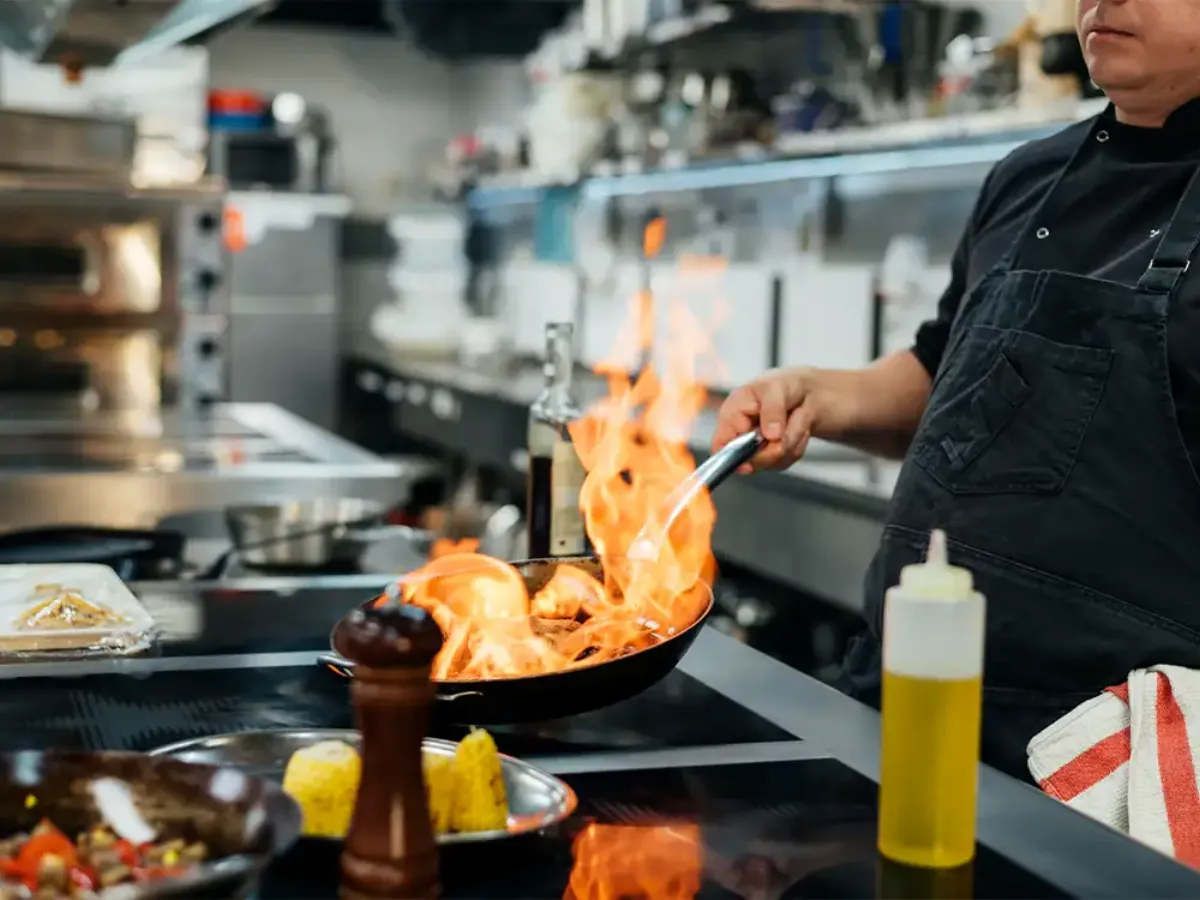
The summer season is one of the busiest periods for the restaurant sector. In particular, staff working in restaurants, cafés, beach clubs and catering businesses with an open-air concept are forced to work longer hours in line with increased customer demand. This high workload, combined with high temperatures and humidity levels, creates conditions that seriously threaten staff health and safety. Hot weather affects not only physical comfort but also increases the risk of workplace accidents, reduces performance and leads to health problems. Therefore, any operation carried out without a risk assessment of hot weather conditions can have a negative impact on both human health and business efficiency.
Among the most common risks faced by restaurant staff during the summer months are sunstroke, heat exhaustion, fluid and electrolyte loss (dehydration), heat cramps and heat-related fainting. In particular, waiters serving in open-air areas, outdoor kitchen staff or mobile teams serving on the street are directly exposed to these risks. Whilst conditions such as heatstroke can lead to health problems requiring urgent medical attention, heat exhaustion – which is milder but can become chronic – reduces productivity and paves the way for accidents. Furthermore, heat-induced distraction and fatigue increase the risk of workplace accidents in kitchen environments where sharp or piercing tools are used. For all these reasons, heat-related risks are factors that directly affect not only staff health but also the sustainability of the business.
During the summer months, the effects of hot weather conditions directly affect not only those working outdoors but also staff working indoors with equipment that emits intense heat. In this context, the risk factors vary across different types of restaurants and cafés. For example;
Each type of business has its own specific heat sources, and this varies the risks to which staff are exposed.
Sürmen OSGB carries out detailed risk assessments in restaurants during the summer months as part of its occupational health and safety remit, identifying potential hazards. Through on-site inspections, it provides concrete recommendations to ensure the working environment is made safe.
The aim is to prevent workplace accidents and health issues.
Accurate information and awareness are cornerstones of occupational health and safety. Sürmen OSGB organises regular training sessions for restaurant staff on the risks they may face during the summer months and the necessary precautions to be taken.
These training sessions help staff to protect their own health and ensure compliance with workplace safety standards.
Rapid and effective intervention is crucial in the event of potential workplace accidents or emergencies such as fires. Sürmen OSGB prepares emergency action plans tailored to restaurants, ensuring that evacuation routes are identified and staff learn the correct procedures to follow.
This minimises the potential damage that may occur during a crisis.
In the event of workplace accidents or occupational illnesses, proper guidance and follow-up are essential. Sürmen OSGB provides consultancy services to restaurant businesses in these areas, supporting employers in fulfilling their legal obligations.
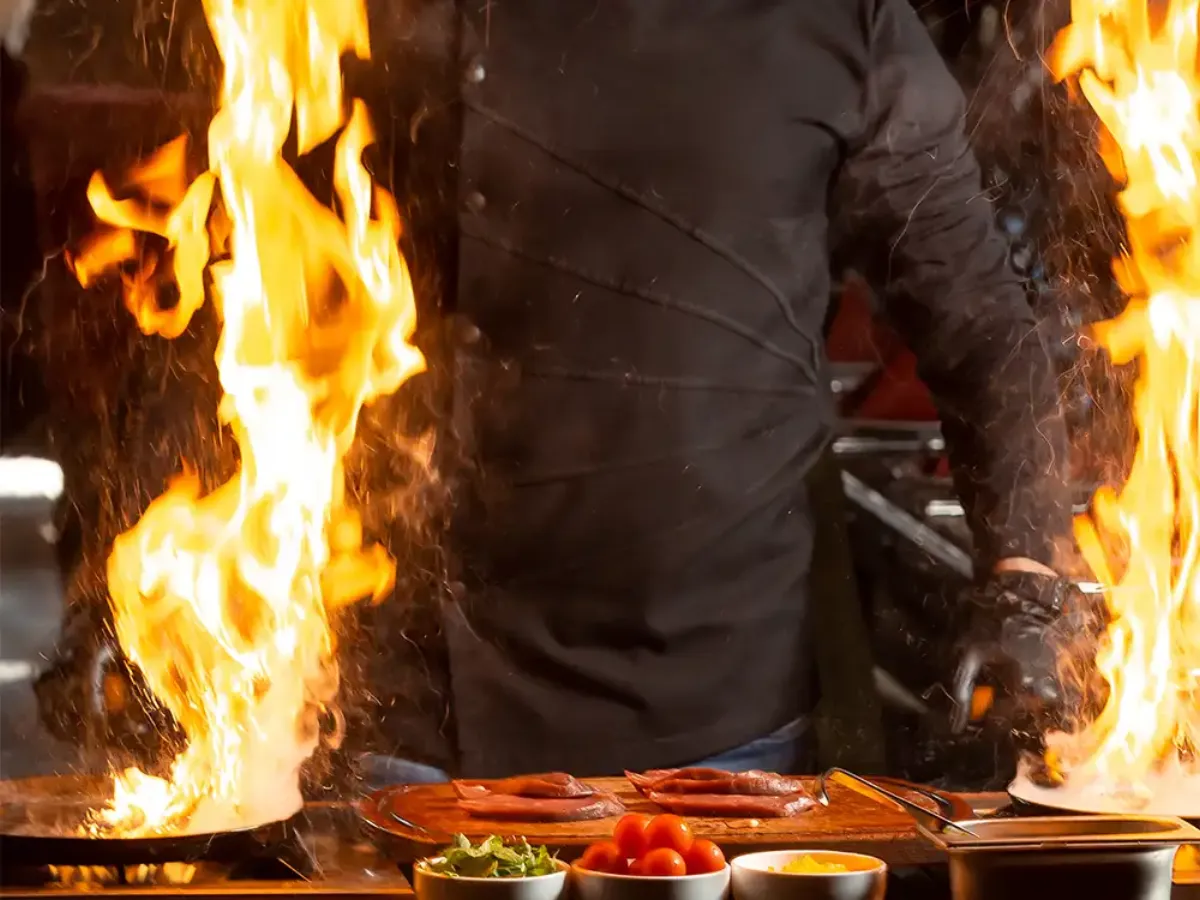
In Turkey, employers are obliged to ensure the safety of their employees under the Occupational Health and Safety Act No. 6331. They are obliged to take specific measures for health and safety in restaurants during the summer months, carry out risk assessments and provide the necessary training.
Sürmen OSGB provides comprehensive consultancy and support to ensure employers fulfil these legal obligations in full.
Rising temperatures and increased workload during the summer months require employers to take extra precautions. Measures such as adjusting working hours, increasing the number of breaks and carrying out more frequent health checks are of vital importance.
Sürmen OSGB offers employers occupational health and safety strategies tailored to the summer months.
Compliance with legal regulations is a critical issue for businesses, both in terms of protection against criminal penalties and employee safety.
Sürmen OSGB carries out risk assessments, training and inspections to ensure your business is fully compliant with all occupational health and safety legislation.
When employees’ health is not protected, work productivity falls, workplace accidents increase and the business suffers. For this reason, occupational health and safety must be prioritised in restaurants during the summer months.
Identifying risks in advance and taking the necessary precautions is essential for the long-term sustainability of the business.
Sürmen OSGB contributes to the establishment of a robust and consistent occupational health and safety culture within your business.
With its team of experienced specialists, Sürmen OSGB offers occupational health and safety solutions tailored to the restaurant sector. It supports businesses seeking professional assistance to minimise the risks encountered during the summer months and to protect staff health.
If you are looking for an OSGB firm, please visit our services page.
Heatstroke is an acute health condition that develops as a result of rapid increases in body temperature caused by exposure to high temperatures and direct sunlight, and can pose a life-threatening risk. Symptoms include confusion, headache, vomiting, cessation of sweating, a rapid pulse and a high temperature. If left untreated, it can lead to organ failure or death. On the other hand, another danger that develops more slowly but is often overlooked is heat exhaustion. This condition arises when fluids and salts lost through sweating are not replenished. In workers, it manifests as symptoms such as fatigue, dizziness, low blood pressure, nausea and loss of concentration. In both cases, early recognition and intervention are of vital importance. For this reason, staff working in hot weather must be trained to recognise these symptoms, and protective measures must be implemented.
High temperatures and humidity not only affect health but also have serious implications for workers’ ability to perform their duties. As body temperature rises, concentration wanes, decision-making slows down and physical movements become sluggish. This situation can lead to dangerous consequences, particularly in restaurant environments involving sharp tools, hot surfaces, greasy floors and the need for rapid service. Common causes of accidents include hands becoming slippery due to sweating, loss of balance whilst carrying plates, and a loss of concentration whilst working with hot oil. Furthermore, the risk in enclosed spaces is further exacerbated by the heat generated by cooking equipment used in the kitchen. Hot weather conditions not only indirectly contribute to an increase in workplace accidents but also reduce staff motivation.
Another important issue that is often overlooked by employers is the adequacy of the rest and cooling areas provided for staff. Particularly in hot weather, short but frequent rest breaks allow staff to recover both physically and mentally. These areas must be arranged to be shaded, well-ventilated and with access to cold drinks. In addition, employees should be reminded to drink water at regular intervals, and drinks that support electrolyte balance should be provided. It should not be forgotten that the symptoms of dehydration often develop unnoticed and can lead to a loss of performance, muscle cramps and fainting. For this reason, fluid intake should be treated not as a matter of choice, but as an occupational health policy.
The design of workwear worn during the summer months is one of the factors that directly affects occupational health. It is of great importance to choose clothing made from highly breathable, light-coloured and sweat-wicking fabrics for staff working in hot weather conditions. In addition, personal protective equipment such as wide-brimmed hats and UV-protective sunglasses should be used by those working in direct sunlight. Footwear should have non-slip soles and be selected to allow for air circulation. A summer-season clothing policy developed for restaurants provides an effective line of defence for staff in coping with the heat.
The discipline of occupational health and safety assesses the risks associated with working in hot weather not merely through observation, but using measurable parameters. In this regard, the physiological effects of ambient temperature can be analysed using indices such as the WBGT (Wet Bulb Globe Temperature). As Sürmen OSGB, we carry out these measurements at regular intervals and prepare specific risk assessment reports tailored to site conditions. Furthermore, we deliver short training modules titled ‘Safety When Working in Hot Weather’ for all restaurant staff. These training sessions cover topics such as the symptoms of heatstroke, emergency response procedures and the importance of fluid intake, all presented with practical information. Following the training, scenario-based drills are carried out to ensure this knowledge is fully internalised.
Under the Occupational Health and Safety Act No. 6331, employers are obliged to prevent or minimise all risks to which employees are exposed. Hot weather conditions are also included within this scope. It is a legal requirement for employers to provide the necessary training, supply protective equipment, keep risk assessments up to date and ensure suitable working conditions. Furthermore, these matters must also be assessed from an ethical perspective. Employee health and well-being form the foundation not only of productivity but also of staff loyalty and brand reputation. The key to reducing staff turnover—a common issue in the restaurant sector—lies in providing a healthy and safe working environment.
Hot weather conditions pose invisible yet serious risks to staff in the restaurant sector. These risks can be managed through proper analysis, effective measures and continuous training. At Sürmen OSGB, through our specialist occupational health and safety consultancy services for restaurant businesses, we aim to minimise these risks that may arise during the summer months, whilst working to protect both staff health and business performance. It should not be forgotten that healthy staff mean a strong business.
Heat stress due to high temperatures, heatstroke, the risk of slippery floors caused by sweating, and stress are the most common issues.
Adjusting working hours, taking frequent breaks, providing cool rest areas and ensuring adequate water intake are critical measures.
It is ensured through regular training, frequent cleaning, proper food storage and staff adherence to hygiene rules.
Compliance with legal regulations, monitoring employees’ health, providing suitable equipment and ensuring training programmes are not neglected are important.
It helps businesses raise their occupational health and safety standards through risk assessments, training, on-site inspections and emergency planning.
ArticlesAs well as being an indispensable source of energy for sustainable living, solar energy poses serious occupational risks, particularly for those working outdoors
 Articles
Long working hours spent in enclosed office environments make the quality of the air we breathe and the thermal comfort of the environment matters of vital importance.
 Articles
The intense competition, expectations of speed and the need to be constantly available brought about by the modern business world mean that employees’ professional and personal lives
Our team will map out what your workplace needs, based on its hazard class and number of employees.