
 Articles
UV Exposure in the Workplace: Occupational Risks and Protection Measures
As well as being an indispensable source of energy for sustainable living, solar energy poses serious occupational risks, particularly for those working outdoors
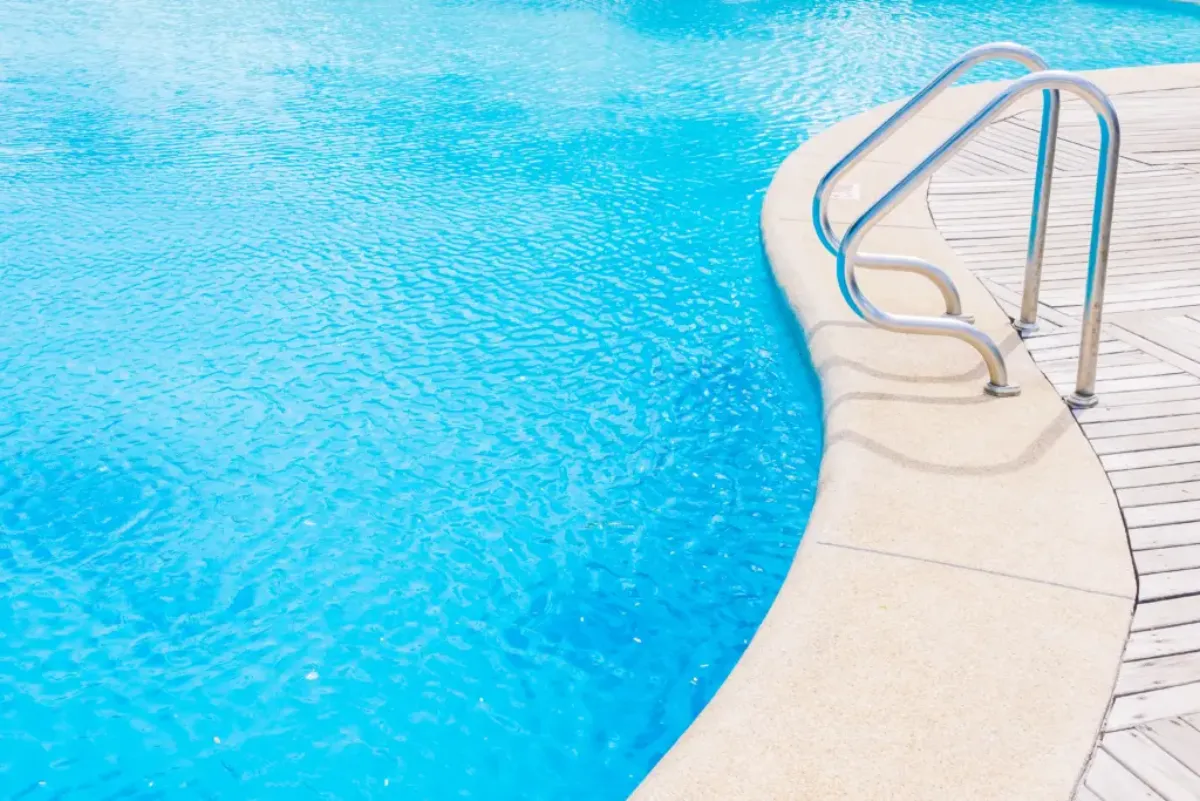
With the arrival of summer, the use of swimming pools and the sea for cooling off, relaxing and exercising increases significantly. Whilst water activities provide physical and mental relaxation, they also carry various risks that must be taken seriously. To ensure a safe holiday and a healthy experience in the water, it is of the utmost importance to analyse the risks encountered in swimming pools and the sea correctly and to take proactive measures. Ensuring that time spent near the water remains enjoyable depends on the thorough and disciplined application of basic safety principles.
One of the most critical safety measures in a water environment is continuous and active supervision. Particularly when it comes to individuals and children whose swimming skills are not yet fully developed, a mechanism for uninterrupted monitoring—rather than merely momentary checks—must be established whilst they are near the water. As drowning incidents are generally not as dramatic as depicted in films—but rather occur very quietly and within a matter of seconds—a lapse in attention, such as focusing on mobile devices or looking elsewhere, can lead to consequences that are difficult to reverse. According to expert assessment, children and those in at-risk groups must always remain within the direct line of sight of an adult or a qualified lifeguard whilst participating in water activities. Ensuring that facilities have sufficient supervisory staff in this regard is a standard frequently emphasised within the framework of legal regulations.
The use of personal protective equipment, a fundamental rule in occupational health and safety culture, applies equally to water sports and recreational areas. For those who are not proficient swimmers, are new to the water, or are entering the water in more challenging conditions such as the open sea, suitable lifejackets and professional flotation aids should be used. Rather than ordinary armbands or inflatable toys, it is vital to select equipment manufactured in accordance with international safety standards and suited to the individual’s weight and age. It should not be forgotten that materials not complying with the relevant standards carry a risk of bursting or deflating, and that this situation can create a false sense of security, thereby further increasing the risks.
Analysing the physical conditions of the environment before entering the sea or a swimming pool is one of the cornerstones of safety. Factors frequently encountered in the sea, such as rip currents, sudden changes in depth, wave height and wind direction, can pose serious threats even to professional swimmers. One must be extremely vigilant against natural phenomena such as rip currents, which are common along the Turkish coastline, particularly in the Black Sea region. Under no circumstances should you enter the water without paying attention to the warning signs, flag colours, depth markers and the instructions of lifeguards on beaches. In swimming pools, it is vital to check the depth markers and to be aware that diving into shallow water can lead to spinal and neck injuries.
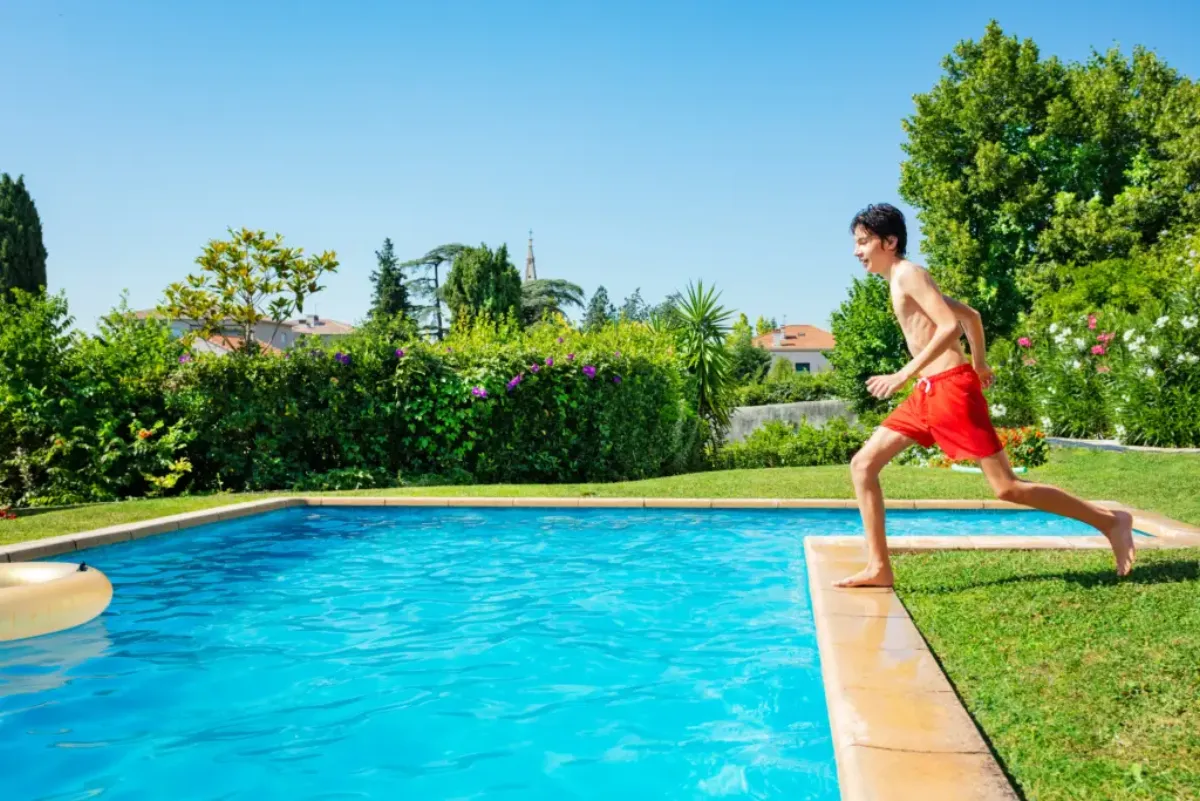
Another aspect of staying safe in the water involves accurately assessing one’s own physical capabilities and swimming skills. Swimming in depths beyond one’s ability or in areas too far from the shore can create situations where it is difficult to return, particularly in the event of fatigue, cramp or panic. Knowing one’s own limits, using one’s energy wisely and avoiding risky manoeuvres that require excessive effort is the most rational approach to preventing accidents. For individuals with any chronic medical conditions, consulting specialists such as a healthcare provider or an occupational health doctor to assess their condition before engaging intensively in water activities is a professional step that must be taken to ensure the holistic protection of their health.
Time spent by the pool or at the seaside involves not only risks in the water but also environmental conditions on land. High temperatures, exposure to direct sunlight and increased humidity levels can lead to significant fluid and electrolyte loss in the body. Hot weather and fluid loss can directly and adversely affect individuals’ levels of concentration, physical performance and decision-making abilities. Avoiding exposure to the sun during midday hours—when the sun is at its highest—especially in the summer months, drinking water regularly and ensuring the use of sun protection products are among the key precautions frequently emphasised by experts. It should be borne in mind that conditions such as heatstroke or severe sunburn, when combined with physical exertion in water, can lead to serious physiological exhaustion.
Swimming pools and public beaches, as shared public spaces, can provide a favourable environment for the spread of biological risk factors. Failure to test the chemical balance of swimming pool water regularly in accordance with regulations, and chlorine and pH levels falling outside the standard ranges, can lead to ear, eye and skin infections, as well as gastrointestinal disorders. In the case of the sea, environmental factors such as pollution levels and the likelihood of industrial or domestic waste entering the water must be taken into account. Monitoring water analysis reports issued by the relevant health authorities, and ensuring that a shower is taken both before entering the water and after leaving it, is a critical approach to safeguarding individual and public health.
The open sea comprises areas with their own natural ecosystems, and this presents various biological hazards for swimmers. Incidents such as contact with jellyfish, sea urchin stings or encounters with various marine creatures are frequently reported accidents along coastal areas. In the event of contact with such marine life, it is of vital importance to seek immediate treatment from the relevant healthcare organisation or specialist medical staff, rather than relying on hearsay, traditional methods or incorrect interventions. Respecting the natural structure of the ecosystem in swimming areas, refraining from entering the sea in areas marked with warning signs, and wearing water shoes in waters where the seabed composition is unknown are the most effective ways to minimise injuries caused by marine life.
Even with all proactive measures in place, should an unexpected accident or health issue occur, being familiar with emergency procedures in advance can be a life-saving factor. Familiarising yourself in advance with the emergency exits, emergency assembly points, first-aid stations and emergency call systems in your surroundings goes a long way towards preventing panic in a crisis. In the event of a potential drowning hazard, a heart attack or a serious injury, individuals without professional training should immediately notify the 112 Emergency Call Centre and any authorised lifeguards in the vicinity, rather than attempting interventions that could put themselves at risk. It is both a legal obligation and a humanitarian responsibility for businesses and beach management authorities to ensure their staff undergo regular professional first aid and crisis management training.
For businesses managing tourist facilities, water parks and public beaches, water safety is a multifaceted issue that not only ensures customer satisfaction but also entails strict legal obligations. It is essential to improve the working conditions of lifeguards, pool operators and cleaning staff working at these facilities and to eliminate risks at source. A wide range of risks, from slips and falls on slippery surfaces to the incorrect storage and inhalation of pool chemicals, pose a direct threat to staff health. For this reason, the periodic updating of risk assessments and the reinforcement of emergency action plans through drills constitute a major corporate responsibility.
Risks encountered in swimming pools and at sea can be reduced to manageable levels through accurate information, constant vigilance, the use of reliable equipment and appropriate precautions. Being aware of the natural and physical hazards posed by the aquatic environment, accurately analysing environmental conditions in real time, and strictly adhering to emergency plans are indispensable conditions for a safe experience. It must not be forgotten that safety regulations are not restrictive barriers for individuals, but universal standards designed to protect life and health. By raising individual awareness and ensuring that businesses operate in full compliance with the regulations, the enjoyment of water activities during the summer months can be sustained in a healthy and peaceful manner, without giving rise to any unfortunate incidents.
ArticlesAs well as being an indispensable source of energy for sustainable living, solar energy poses serious occupational risks, particularly for those working outdoors
 Articles
Long working hours spent in enclosed office environments make the quality of the air we breathe and the thermal comfort of the environment matters of vital importance.
 Articles
The intense competition, expectations of speed and the need to be constantly available brought about by the modern business world mean that employees’ professional and personal lives
Our team will map out what your workplace needs, based on its hazard class and number of employees.